© 2025 Mister Saad | All Rights Reserved

Dubai Marina

How to Build an eCommerce App in Dubai?
The need to develop online shopping applications in the UAE is increasing at an alarming rate as companies are moving towards digital applications. As Dubai continues to globalize as an e-commerce technological hub, most startups and businesses are investing in mobile solutions for e-commerce to reach more people. When you desire to compete in this ever-changing market, the knowledge of how to Build Online Shopping App in UAE will be crucial.
Selecting the right features to estimate the ecommerce mobile app in Dubai cost, all the steps are critical towards success. A high level of customer experience, increased sales, and strengthening of the brand are achieved through the robust e-commerce application.
However, code is not the only issue to take into account when developing an app. It entails planning, designing, testing, and ongoing maintenance. This guide will take you through the entire process in a clear and easy manner, without any fear, so that you can easily start your e-commerce app in Dubai.
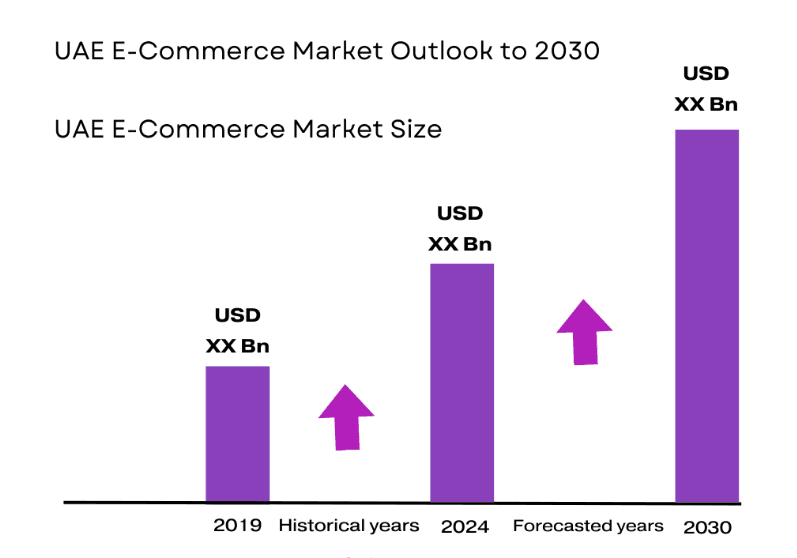
Understanding the Dubai E-Commerce Market
Before jumping into development, it’s important to understand the local ecosystem. Dubai is a hub for innovation and digital commerce in the Middle East. Consumers expect fast, seamless, and secure shopping experiences.
Key factors driving e-commerce growth:● High mobile usage and internet penetration
● Strong logistics and delivery networks
● Government support for digital transformation
● A diverse, global consumer base
These factors make it an ideal place to build online shopping app in UAE that caters to both local and international audiences.
Steps to Build an Ecommerce App in Dubai
Below are some key steps that must be followed by an app developer.
Step 1: Define Your Business Model
The first step in building an e-commerce app is deciding on your business model. This determines how your app will operate and generate revenue.
Common Models:● B2C (Business to Consumer): Selling directly to customers
● B2C (Business to Consumer): Selling directly to customers
● Marketplace: Connecting multiple sellers with buyers
● Subscription-based: Recurring purchases or memberships
Your choice will influence app features, design, and development complexity.
Step 2: Conduct Market Research and Planning
Proper research must be carried out before you commence development. It will ensure that you become aware of the customer needs and market trends in Dubai. A proper plan will ensure that your application will not be just a gratification to your customers but will also be useful to your company.
Some of the important areas to concentrate on:● Determine your target market in the UAE
● Analyze competitor e-commerce apps
● State your business model (B2B, B2C, or marketplace)
● Select product categories
● Research on customer behavior and preferences
● Plan app features and functionality
● Establish an achievable budget and schedule
● Learn about the legal requirements in Dubai
● Successful e-commerce app development is based on good planning
Step 3: Choose the Right Features
Features are the backbone of your e-commerce app. They directly impact user experience and engagement. To successfully
Your app should be easy to use, fast, and secure. Customers prefer apps that simplify shopping and offer smooth navigation.
● User-friendly interface
● Secure login and registration
● Product search and filters
● Shopping cart and wishlist
● Multiple payment options
● Order tracking system
● Push notifications
● Customer reviews and ratings
● AI-based recommendations
● Multi-language and currency support
Step 4: Focus on UI/UX Design
Design contributes massively to the success of apps. Modern and clean interface appeals to the users and helps in maintaining the user's attention. Users in Dubai anticipate quality design and functionality.
The visual appeal and ease of use of your app should be easy to use and work with. User satisfaction is enhanced by using a simple layout, high loading speed, and easily understandable buttons. It also creates trust and promotes repeat purchases. Professional design is always a worthwhile investment.
Design Best Practices:● Minimalistic layout
● Fast loading screens
● Mobile-first approach
● Clear call-to-action buttons
Step 5: Select the appropriate Technology Stack
The choice of technology influences performance, scalability, and cost. In the process of learning how to develop an e-commerce app in Dubai, the selection of the tools to be used is very important.
You can go for native apps, hybrid apps, or cross-platform development. Every alternative has its advantages based on the requirements of your business.
Important technology considerations:● Frontend technologies (React Native, Flutter)
● Backend development (Node.js, Laravel)
● DB management (MongoDB, MySQL)
● Cloud hosting services
● Payment gateway integration
● Security procedures (SSL, encryption)
● API integrations
● Scalability options
Step 6: Hire the Right Development Team
Your development team plays a critical role in your app’s success.
Options:● Freelancers
● Development agencies
● In-house team
For most businesses, agencies offer the best balance of quality, scalability, and support.
● Check their portfolio
● Review client testimonials
● Assess technical expertise
● Ensure post-launch support
A skilled team simplifies the process of “How to Build an eCommerce App Development Dubai” for entrepreneurs. Hire an experienced mobile app developer, Mister Saad!
Step 7: Payment Gateway Integration and Security
One of the most crucial steps to follow while building an online shopping app in UAE is secure payment integration. The Dubai customers like quick, safe, and reliable payment methods. A safe system develops a feeling of trust and boosts conversions.
Key elements to consider:● Integration of trusted payment gateways
● Support for multiple currencies
● SSL encryption for secure transactions
● Two-factor authentication (2FA)
● Fraud detection systems
● PCI-DSS compliance
● Easy refund and return processing
● Fast and smooth checkout experience
Step 8: Logistics and Delivery Integration
Fast delivery is a major competitive advantage in Dubai.
Key Integrations:● Real-time order tracking
● Delivery partner APIs
● Automated shipping calculations
Efficient logistics enhance customer satisfaction and repeat purchases.
Step 9: Testing and Quality Assurance
Before launch, thoroughly test your app.
Types of Testing:● Functional testing
● Performance testing
● Security testing
● Usability testing
Testing ensures your app runs smoothly across devices and platforms. Skipping this step can lead to costly issues later.
Step 10: Launch and Marketing
Once your app is ready, focus on a strong launch strategy.
Marketing Channels:● Social media campaigns
● Influencer partnerships
● App Store Optimization (ASO)
● Paid ads
A well-planned launch helps you gain initial traction and visibility.
Step 11: Maintenance and Updates
Launching your app is just the beginning. Continuous improvement is key.
Post-Launch Activities:● Bug fixes
● Feature updates
● Performance optimization
● Security enhancements
Regular updates keep your app competitive and relevant in the fast-changing market.
E-commerce Mobile App in Dubai Cost
It is worth understanding the cost of the e-commerce mobile app in Dubai before embarking on your project. The price will vary based on the features, complexity, and the team that developed it. Simple apps are cheaper, whereas complex ones with the use of AI and other features demand more investment. Pricing is also influenced by design, technology, and integrations.
The average ecommerce app development in Dubai may have moderate to expensive budgets. More expensive but likely of higher quality, hiring experienced developers can be the solution. Always budget prudently and do not cut corners. An effective application gives superior long-term returns.
Cost Breakdown:● Basic App: $10,000 – $25,000
● Mid-Level App:$25,000 – $60,000
● Advanced App: $60,000 – $150,000+
● App complexity
● Number of features
● Design requirements
● Development team location
● Maintenance and updates
If you want to optimize the ecommerce mobile app in Dubai cost, consider starting with an MVP (Minimum Viable Product) and scaling later.
Choosing Between Freelance Developers and Agencies
In deciding how to develop an e-commerce app in Dubai, one of the critical decisions is the decision of the development team. You can choose a freelance App Developer Dubai, like Mister Saad, or deal with a professional company.
Some of the main factors to be considered are:
● Project scope and budget constraints
● Knowledge in e-commerce app development
● Communication and availability
● Project management capabilities
● Technical skills and equipment
● Long-term and reliability
● Quality assurance processes
● Post-launch services
If you want to build online shopping app in UAE with high quality and scalability, agencies are often a safer choice.
Common Challenges and How to Overcome Them
High Competition: Differentiate your app with unique features and strong branding.
User Retention: Use loyalty programs, discounts, and personalized recommendations.
Technical Issues: Invest in a reliable development team and ongoing support.
Tips for Success in Dubai’s E-Commerce Market
● Focus on mobile-first experiences
● Offer fast and reliable delivery
● Provide excellent customer support
● Use data analytics for decision-making
● Ensure compliance with local regulations
These strategies will help you effectively build online shopping app in UAE that stands out in a crowded market.
Why Dubai is Ideal for E-Commerce Apps
Dubai offers:● Advanced digital infrastructure
● High consumer spending power
● Strategic global location
● Government support for startups
These advantages make it easier to understand how to build an ecommerce app development Dubai that businesses can scale globally from.
Conclusion
The development of an e-commerce application needs proper planning, the appropriate technology, and a clear strategy. To be a successful business in the competitive market scenario in Dubai, you need to know how to develop an e-commerce application in Dubai. In research and design, development, and maintenance, each step is important in achieving success.
Companies seeking to develop online shopping applications in the UAE should strive to ensure that users experience ease, safety, and scalability. Although the price of the e-commerce mobile app in Dubai might appear to be high, it is a worthwhile investment to be used in the long-term.
FAQ's
How long does it take to build an e-commerce app in Dubai?
+What is the average ecommerce mobile app in Dubai cost?
+How can I make my e-commerce app successful in Dubai?
+Should I choose native or cross-platform development?
+What features are essential in an e-commerce app?
+







Leave a Reply