.jpg&w=3840&q=75)
© 2025 Mister Saad | All Rights Reserved

Dubai Marina

Inside Truecaller: How the World’s #1 Caller ID App Works
Millions of people are plagued by unknown, spam, and phone scam calls every day. Unwanted calls of any sort waste time and can even cost you money, whether the caller is a telemarketer, a scammer posing as a bank representative, or a robocaller.
TrueCaller is the best option to rescue in such situations. Since its launch, this app has grown into one of the most trusted caller ID and spam-blocking applications in the world. It has identified billions of calls from its gigantic caller database and now has more than 500 million users worldwide.
But have you ever wondered how TrueCaller caller ID works? How can the app recognize an unknown number when you don't answer? How does it determine what numbers are spam? What is the accuracy of its spam filtering?
In this article, we will answer all these questions, providing a comprehensive overview of the technology behind TrueCaller.
What Is TrueCaller?
TrueCaller is a caller ID application that identifies unknown callers before answering a call and also blocks spam calls.
It was launched in Sweden in 2009, and the app is now one of the world's largest communication platforms. It is currently used in several countries, especially in India, the Middle East, Africa, Southeast Asia, and Latin America.
The app's main goal is to identify callers and protect users from unwanted or spam calls.
It has the following main features:
● Caller ID
● Spam detection
● Call blocking
● Business verification
● SMS filtering
● Fraud alerts
● Contact lookup
The Basic Idea Behind Caller Identification
To understand how TrueCaller caller ID works, you should first learn about the concept of Caller ID databases.
That's where traditional phone-number identification systems fall short, as they only show the number calling if the caller is on a landline or mobile phone. They are not always accurate when disclosing who they are calling.
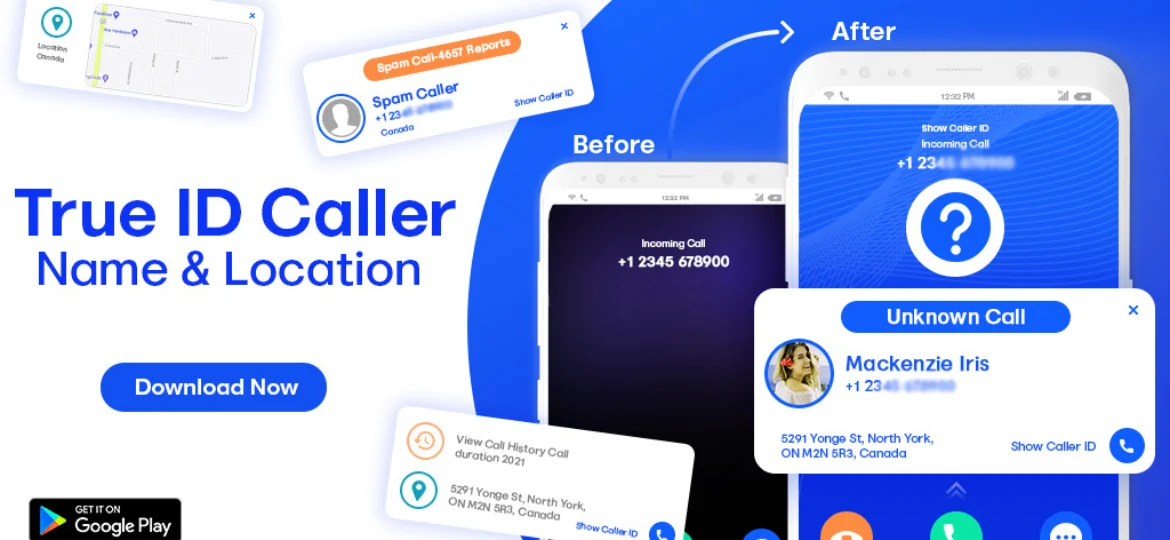
Today's Call ID systems operate differently. They don't rely solely on telecom companies to provide data, as they have extensive databases that link phone numbers to names, business data, user reports, and public records.
When a call arrives:
● It searches for matching records.
● Relevant information is provided immediately.
● The user sees a name or warning label before answering the call.
● The system checks the incoming number against the database.
That is the basic foundation of how caller ID databases work. The more detailed and correct the database, the better the caller identification experience.
How TrueCaller Caller ID Works
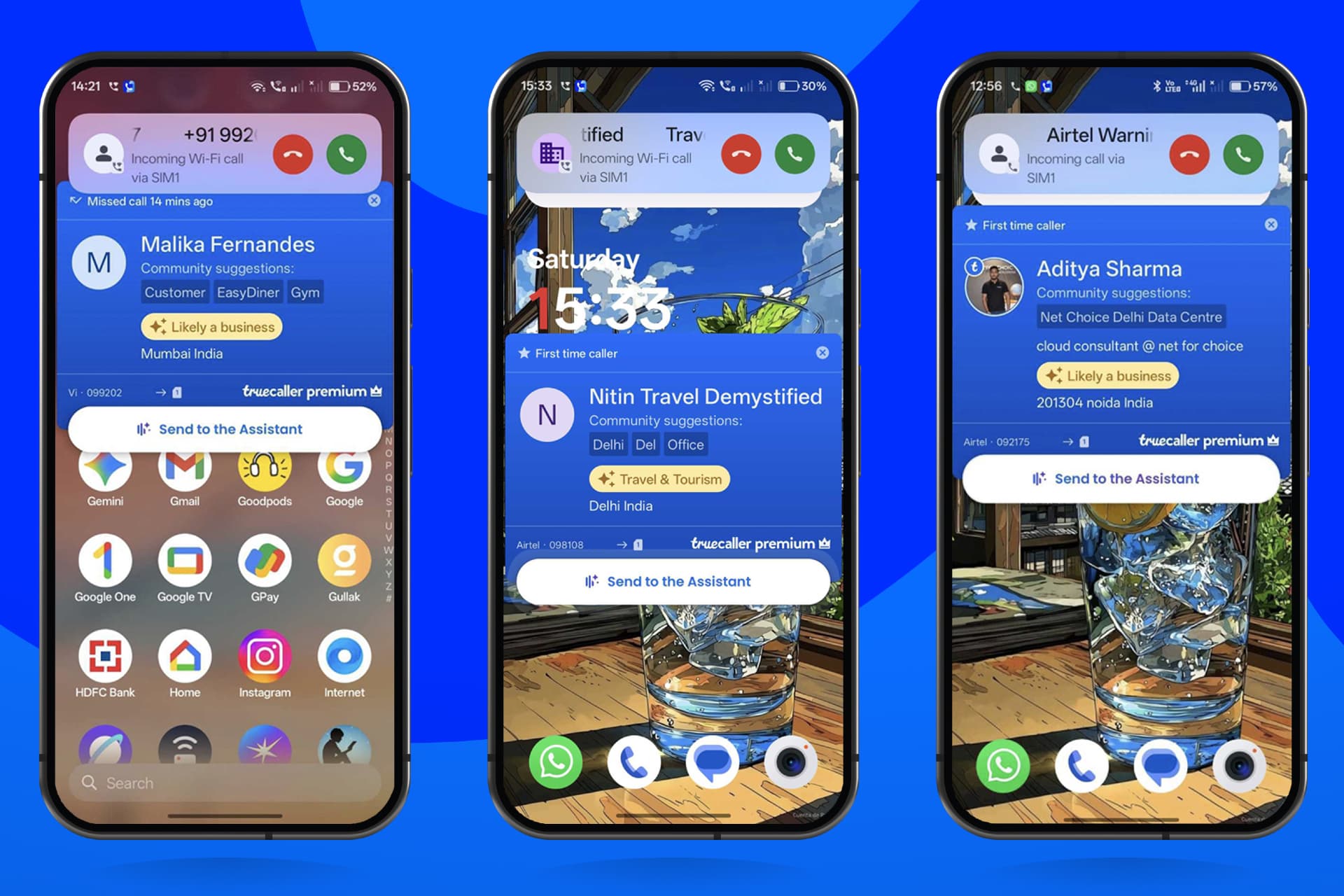
The answer is very simple: TrueCaller matches incoming cell numbers against its huge database, which includes numbers from all over the world, and displays the matching data right away. Let's take a closer look at the process now.
Step 1: An Incoming Call Arrives
As soon as someone calls your cell, you can discover the number from the operating system. Once TrueCaller is given access to calls, it then instantly searches that number in its database.
Step 2: Database Lookup
The app scans its list of numbers for the number it has entered. The database may include data collected from:
● User contact lists
● Verified business profiles
● Public records
● User submissions
● Community reports
If a match is found, TrueCaller shows the possible caller name.
Step 3: Spam Risk Analysis
TrueCaller also checks if the number is spam before showing the data. The app examines:
● Frequency of calls
● User feedback
● Historical activity patterns
● Spam Report Count (No Spam Reports)
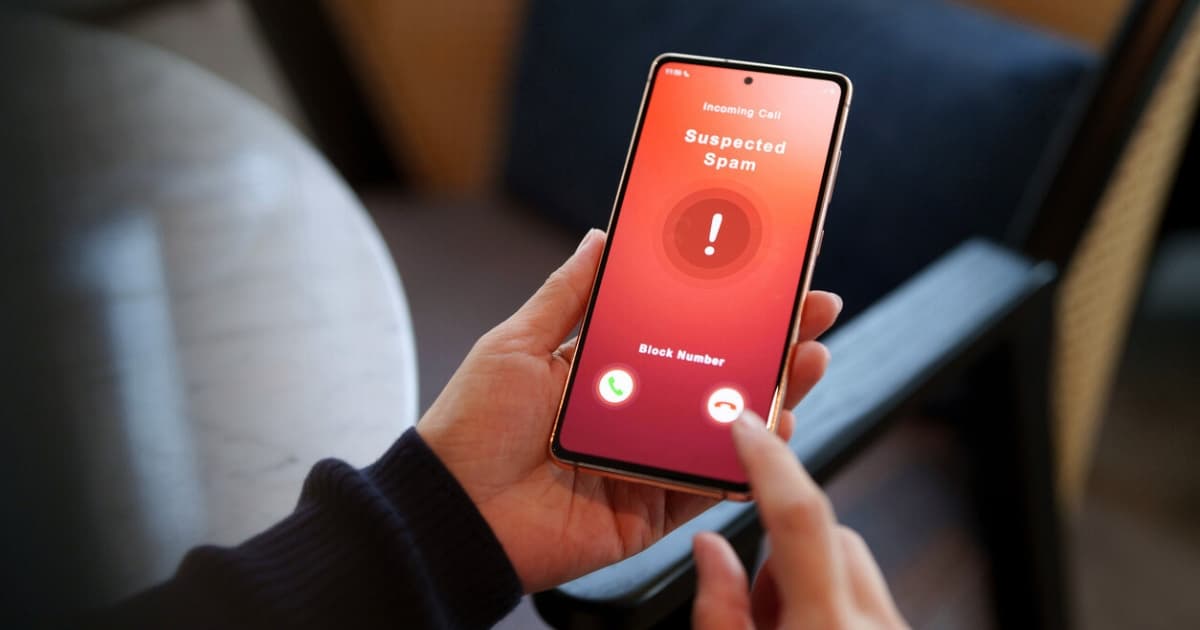
When the risk is high, a warning may be displayed to the user, for example:
● Spam Caller
● Telemarketing
● Fraud Risk
● Scam Call
Step 4: Real-Time Display
The caller's information is displayed on the user's screen in seconds. All this happens rapidly, and most users are unaware that the technology is at work in the background.
The Massive Data Engine Behind TrueCaller
TrueCaller's strength lies in the scale of its database. According to the company, it has over 500 million monthly active users globally and has more than 1 billion app installs. This large number of users enables the system to collect useful communication data worldwide.
Millions of users deal with calls and messages every day. These interactions help to enhance caller identification accuracy.
The system continuously learns from:
● Verified business profiles
● User feedback
● Spam reports
● Call frequency patterns
● Contact information voluntarily shared through app permissions
● Publicly available business records
As time goes on, it builds an ever-evolving network of phone number intelligence.
This is one of the many reasons TrueCaller can find numbers that telecom operators cannot.
The TrueCaller Spam Detection Algorithm Explained
One of TrueCaller's most valuable features is spam protection. The TrueCaller spam detection algorithm uses multiple signals to identify suspicious callers. Hence, the company doesn't disclose all the technical details, though industry experts know the general idea.
Community Reporting
Numbers are manually marked as spam by the user. The more people report the same number, the more confident the system becomes that the number is a problem.
Behavioral Analysis
The system is designed to analyze calling behavior. For example:
● Thousands of calls per day
● The extremely short call durations
● Calls to many regions
● Repeated complaints
Patterns can be a sign of telemarketing or scam activity.
Machine Learning Models
Artificial Intelligence and Machine Learning are also used in the TrueCaller spam detection algorithm. These systems evaluate:
● Calling frequency
● Historical spam reports
● User interactions
● Number reputation
As more data becomes available, the models are continually improved.
User Feedback Loops
All user-submitted reports contribute to improving detection. The feedback-driven method allows the TrueCaller spam detection algorithm to quickly adapt to new spam campaigns.
AI helps identify spam, but TrueCaller has noted that, while AI is still not 100% accurate, caution is still required when making blocking decisions.
How Spam Numbers Get Flagged
Many people think that a number is only considered spam when someone actually reports it. In fact, it is a more sophisticated process.
A number may be flagged because:
● It has been reported by thousands of users.
● It generates an unusually high volume of calls.
● It displays patterns consistent with known scams.
● It matches characteristics of previously identified spam campaigns.
● AI models have detected suspicious behavior.
The final spam score is typically determined by a combination of these signals, rather than a single report. This multi-layered approach improves accuracy and reduces false positives.
TrueCaller Call Recording Features iOS Android
Call recording is a popular feature. There are various TrueCaller call recording features iOS Android, depending on the restrictions and local laws.
Android Call Recording
Call recording features are more accessible on Android devices. In supported areas, TrueCaller lets users record calls right from the app. Once captured, these recordings can be transcribed and AI-summarized.
Additional features include:
● Voice-to-text transcription
● AI-generated summaries
● Searchable recordings
● Cloud backup options
iPhone Call Recording
Apple historically had made it a bit more difficult to make calls on the phone. TrueCaller launched a feature to record calls using a specific call-merging technology that uses AI to capture conversations on an iPhone.
But it's changed over the years. Later, the company announced it would remove the call-recording feature from its iPhone app, emphasizing caller identification and spam protection.
AI Enhancements
Here are some of TrueCaller call recording features iOS Android:
● Automatic transcription
● Call summaries
● Smart search
● Organized call history
These features enable easy review and management of recorded conversations.
Integration of TrueCaller with Smartphones Ninja
By integrating TrueCaller into Smartphones Ninja, users can enjoy a seamless digital experience that enhances caller ID, spam prevention, and communication capabilities. Smartphones Ninja can integrate caller ID, spam detection, and verified business identification into their platform using TrueCaller's API or SDK, enabling them to provide these features in real time.
This allows users to easily identify callers they don't know, prevent fraudulent numbers, and enhance communication safety. It also provides added value for businesses that leverage Smartphones Ninja, as it improves trust in the call-and-response rate. This integration enhances Reliable Platform's usability, security, and call management, providing a smoother experience for users in today's mobile communication environment.
Privacy Concerns Around Caller ID Apps
As with any major communication platform, privacy is a frequent topic of discussion.
Users often wonder:
● How much data is collected?
● How is information stored?
● Can personal information be removed?
TrueCaller offers privacy controls that enable users to edit their profiles, add or delete contact details, and request to be unlisted if possible.
The company has been adding new capabilities to its platform for verified communication and fraud prevention, as fraud-related schemes have continued to grow worldwide. As with any technology platform, users need to be mindful of their privacy settings and what they grant.
The Best Caller ID Apps Alternatives to TrueCaller
Although TrueCaller remains the market leader, some users choose alternatives for privacy, device compatibility, or feature needs.
The following are the best caller ID apps alternatives to TrueCaller:
Google Phone: Google's Phone app includes built-in caller ID and spam protection on many Android devices.
Hiya: Hiya offers caller identification and spam-blocking services, backed by a robust business reputation database.
CallApp: CallApp combines caller identification, spam blocking, and call management features.
Whoscall: Whoscall is widely used in several Asian markets and offers offline number identification capabilities.
Sync.ME: Sync.ME focuses on caller identification and contact management.
When evaluating caller ID app alternatives to TrueCaller, users should compare privacy policies, database size, spam detection accuracy, and platform support.
Benefits of Using TrueCaller for Businesses
TrueCaller is a solution that benefits businesses in several ways, including enhanced communication, trust, and customer engagement. When callers are verified, the customer is more likely to recognize the call and answer, resulting in increased call answers and improved response. It also enhances brand credibility with their official brand names and verification badges.
Timely information, such as support, delivery, and appointment reminders, enhances customer experience and helps businesses avoid spam labelling, improve communication, and boost efficiency. Call insights also help businesses better understand their performance and enhance their outreach.
Key benefits include:
● Verified business identity with company name and logo
● Higher call answer rates
● Improved brand credibility and customer trust
● Reduced the chances of calls being marked as spam
● Better customer experience through timely updates and support
Businesses planning to develop a caller ID and spam detection service need to hire a professional application developer.
Caller ID App Development in Dubai, UAE
The development of a caller ID app relies on creating a system that can recognize incoming callers, detect spam, and provide caller information in real time. For TrueCaller and other apps, their success depends on massive volumes of data, AI algorithms, and user-generated information. Developers integrate APIs, cloud databases, and machine learning models to enhance accuracy and performance. Security and privacy are also key factors in development.
If you want to build a similar app, working with a professional app developer, like MisterSaad, is essential. They can assist with designing a scalable architecture, add spam-detection features, and develop an intuitive user interface for Android and iOS devices, thereby enhancing the user experience. So, contact MisterSaad, a Certified Freelance App Developer Dubai, right now to create your desired app!
Conclusion
TrueCaller has changed the way people deal with unknown calls. The platform integrates a broad geo-database, community reports, machine learning, and real-time caller identification to keep users informed and safe.
The success of the TrueCaller ID app can be attributed to its data-centred approach, user involvement, and sophisticated algorithms. The TrueCaller spam detection algorithm filters reports and calling habits to detect spam calls in real-time, and its caller identification system is based on one of the world's largest phone number databases.
In an era where scams and robocalls are a growing concern, platforms such as TrueCaller are essential for digital communication security. Meanwhile, users need to understand how TrueCaller caller ID works, assess privacy concerns, and look for alternative caller ID apps according to their requirements.
FAQ's
How does Truecaller identify unknown callers?
+Is the TrueCaller spam detection algorithm accurate?
+Are TrueCaller call recording features available on both iOS and Android?
+Is TrueCaller free to use?
+What are the best caller ID app alternatives to TrueCaller?
+






Leave a Reply