© 2025 Mister Saad | All Rights Reserved

Dubai Marina

How Ride-Hailing Apps Make Money: Business Model Explained
Introduction
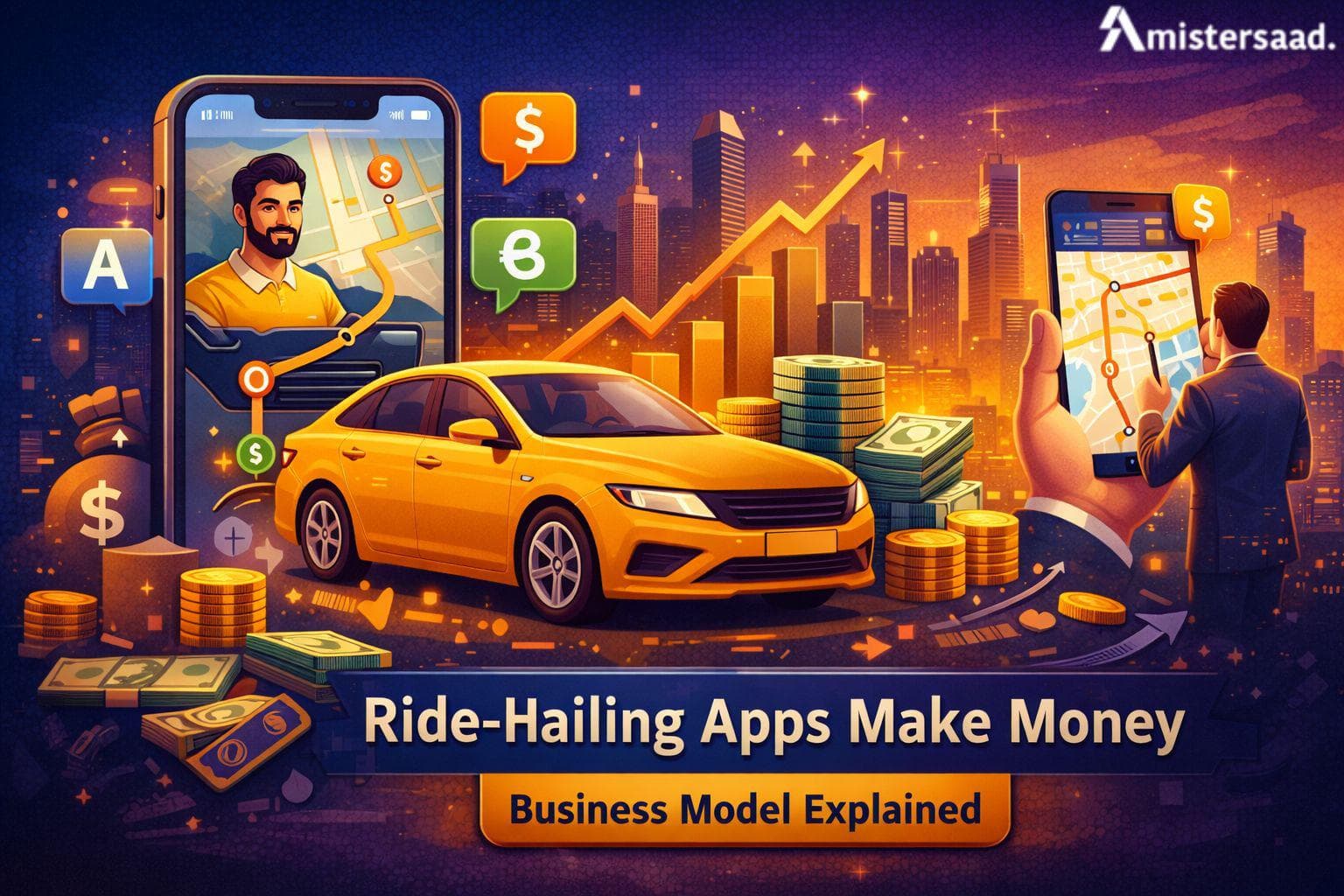
Ride-hailing apps have transformed urban transportation worldwide. We discuss how these platforms can generate large-scale revenue in this blog. The adoption of smartphones and the need for digital mobility services in cities are driving their growth. These apps are used daily by millions of users who travel conveniently. Knowledge of monetization models helps founders, investors, and operators make more informed decisions. These sites have complex systems behind simple user interfaces. The revenue is based on pricing, volume, efficiency, and technology. Long-term sustainability is also highly dependent on costs. This article clearly explains income sources, expenses, and scalability. Readers will gain insight into how ride-hailing businesses grow globally. The discussion supports decision makers planning technology-driven transport platforms.
What Are Ride-Hailing Apps
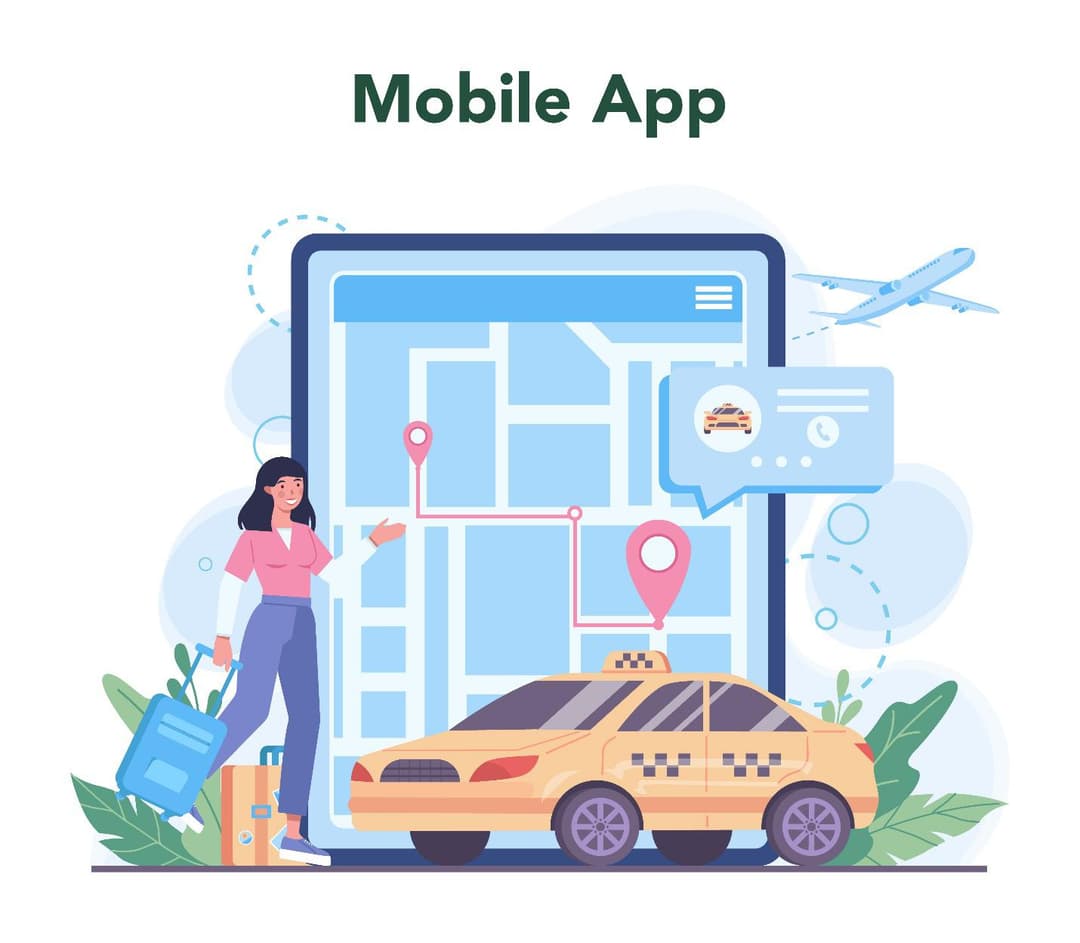
Ride-hailing apps connect passengers with nearby drivers using mobile technology. Users request rides through smartphone applications. Drivers receive ride requests and accept them based on availability. The platform automatically manages matching, navigation, and payments. GPS technology ensures accurate pickup and drop locations. Riders enjoy convenience, speed, and transparent pricing. Drivers benefit from flexible working schedules. The platform acts as an intermediary service provider. It does not usually own vehicles. Examples include Uber and Careem across multiple regions. Rating systems maintain service quality. Digital payments improve transaction efficiency.
Overview of the Ride-Hailing Business Model
Ride-hailing platforms operate as marketplace-based ecosystems. They connect the driver-supplied supply with rider demand. The platform provides technology, rules, and payment systems. This structure creates a two-sided business model. Growth depends on balancing demand and supply efficiently. Algorithms dynamically manage ride allocation and pricing. The platform earns money from every completed transaction. Commission-based revenue forms the foundation. Network effects strengthen the model as users increase. Technology enables rapid geographic expansion. The platform focuses on coordination rather than ownership. Operational efficiency drives competitive advantage.
Core Revenue Stream Commission from Rides
Ride commissions are the main source of income. Platforms deduct a percentage from each completed fare. Commission rates vary by city and service category. Rates commonly range from 15 to 30 percent. Higher ride volume increases overall revenue. Surge pricing raises fare amounts during peak demand. This increases commission earnings proportionally. Platforms must balance driver satisfaction with margins. Excessive commissions may reduce driver retention. Incentives help maintain supply levels. Commission structures change in response to market competition. Transparent calculations improve trust. This revenue stream scales directly with daily ride activity.
Dynamic Pricing and Surge Fees
Dynamic pricing adjusts fares based on real-time demand. Algorithms monitor rider requests and driver availability. When demand exceeds supply, prices temporarily increase. Surge fees encourage drivers to operate in busy areas. Platforms earn higher commissions during peak periods. Riders pay more for faster availability. Surge pricing helps balance the marketplace efficiently. Some users criticize price volatility. Clear communication improves user acceptance. This pricing model maximizes revenue during high demand. Data-driven decisions power surge mechanisms. It remains a core monetization lever.
Driver Subscription and Service Fees
Some platforms offer subscription models for drivers. Drivers pay service fees weekly or monthly. Subscribed drivers receive benefits and reduced commissions. This creates predictable income for platforms. Subscriptions stabilize revenue regardless of ride volume. Drivers gain cost certainty and priority access. This model supports driver loyalty and retention. Platforms reduce reliance on transactional income. Subscription fees work well in mature markets. Clear value propositions improve adoption. This approach complements commission-based earnings.

Advertising and In-App Promotions
Ride-hailing apps monetize user attention through advertising. Brands promote products within the app interface. Ads appear during booking or trip progress. Sponsored rides offer discounts funded by partners. Promotions target users based on location and behavior. Platforms share anonymized insights with advertisers. This creates non-ride revenue streams. Advertising does not disrupt core functionality. Strategic partnerships enhance earnings. This channel scales with user growth. In-app promotions increase platform profitability.
Corporate Accounts and Business Travel Programs
Platforms offer enterprise travel solutions for organizations. Businesses manage employee transportation through centralized accounts. Corporate programs provide invoicing and reporting tools. These accounts generate recurring revenue. Long-term contracts reduce churn risk. Companies prefer predictable billing systems. Platforms benefit from higher ride frequency. Corporate users often travel during peak hours. This segment improves revenue stability. Dedicated support strengthens relationships. Enterprise programs contribute to sustainable growth.

Premium Ride Options and Upselling
Premium services target higher-income customer segments. Options include luxury vehicles and professional drivers. Premium rides cost more than standard services. Upselling increases average revenue per user. Customers pay for comfort and exclusivity. Platforms segment users based on preferences. Premium offerings improve brand perception. Margins are higher for premium rides. Quality control remains essential. Upselling diversifies income sources. This strategy supports revenue optimization.
Data Monetization and Analytics Insights
Ride-hailing platforms collect extensive mobility data. Data includes traffic patterns and travel behavior. Platforms anonymize data before monetization. Cities use insights for infrastructure planning. Businesses analyze trends for logistics decisions. Ethical data usage builds public trust. Privacy compliance remains essential. Data partnerships create new revenue channels. Analytics enhance platform intelligence. Insights support smarter decision making. Data monetization complements core services.
Role of Freelance App Development Dubai in Platform Scaling
Ride-hailing platforms require speed, flexibility, and technical precision. Freelance App Development Dubai liken mistersaad supports scaling by offering adaptable development capacity. Freelancers help platforms expand features without high fixed costs. They integrate smoothly with existing teams. This model allows platforms to scale faster during growth phases. Freelancers support backend systems, interfaces, and integrations. Their contribution reduces delays in product expansion. Platforms maintain momentum during high-demand periods. This approach supports efficient scaling across regions. Freelance support keeps development agile and responsive.
Flexible Development Resources
Freelancers provide on-demand technical resources. Platforms scale teams without long hiring processes. This flexibility supports rapid growth cycles. Projects progress without internal capacity limits. Freelancers adapt quickly to changing development priorities.
Cost-Effective Feature Upgrades
Freelance teams reduce overhead costs significantly. Platforms avoid long-term employment expenses. Feature upgrades happen without heavy financial commitment. This model supports experimentation and innovation. Budget efficiency improves during frequent updates.
Rapid Iteration Cycles
Freelancers enable faster development iterations. Updates reach users more quickly. Testing cycles shorten with focused expertise. Platforms respond faster to user feedback. Iteration speed improves competitive positioning.
Specialized Technical Expertise
Freelancers bring niche technical skills. Platforms access experts for specific features. This improves solution quality and stability. Specialized knowledge reduces development risks. Expertise strengthens platform architecture.

How a Freelance App Developer in Dubai Supports Innovation?
Innovation drives success in ride-hailing platforms. A Freelance App Developer Dubai supports innovation through focused technical execution. Freelancers implement new features without disrupting core systems. They work on experimental modules independently. This allows platforms to test ideas quickly. Freelancers contribute fresh perspectives and modern practices. Their flexibility supports creative development approaches. Innovation cycles shorten with external expertise. Platforms adopt emerging technologies faster. This support strengthens long-term product evolution.
Faster Feature Deployment
Freelancers focus on single-feature delivery. This speeds up deployment timelines. New functions reach users faster. Platforms maintain continuous improvement cycles.
Modular System Improvements
Freelancers enhance modular system components. Updates occur without affecting core stability. This supports scalable architecture. Platforms reduce system risk during changes.
API Integrations
Freelancers handle third-party API connections efficiently. Integration supports payments and mapping services. This expands platform functionality. Reliable APIs improve user experience.
Performance Enhancements
Freelancers optimize speed and responsiveness. Performance tuning improves app reliability. Users experience smoother interactions. System efficiency improves overall satisfaction.
Importance of Mobile App Developer Dubai Expertise
Ride-hailing platforms depend on consistent technical reliability. Mobile App Developer Dubai expertise ensures system stability and performance. Skilled developers manage complex mobile architectures. They maintain secure and scalable environments. Their experience supports long-term platform health. Developers ensure smooth updates and compatibility. Strong expertise reduces downtime risks. Users benefit from reliable app performance. Platforms maintain trust and credibility. Technical leadership supports sustainable growth.
Platform Stability Management
Developers monitor system health continuously. Stability prevents service disruptions. Reliable platforms retain users. Proactive management reduces operational risks.
User Experience Optimization
Developers refine interface responsiveness. Navigation remains simple and intuitive. Smooth experiences increase user retention. Design improvements support engagement.
Bug Resolution Cycles
Developers identify and fix bugs quickly. Short cycles prevent user frustration. Continuous monitoring improves reliability. Stable systems support growth.
Long Term Maintenance Support
Developers maintain systems post-launch. Regular updates keep apps secure. Maintenance supports scalability. Long-term care ensures sustainability.
Role of Freelance App Development Dubai in Platform Scaling
Ride-hailing platforms require speed, flexibility, and technical precision. Freelance App Development Dubai supports scaling by offering adaptable development capacity. Freelancers help platforms expand features without high fixed costs. They integrate smoothly with existing teams. This model allows platforms to scale faster during growth phases. Freelancers support backend systems, interfaces, and integrations. Their contribution reduces delays in product expansion. Platforms maintain momentum during high-demand periods. This approach supports efficient scaling across regions. Freelance support keeps development agile and responsive.
Flexible Development Resources
Freelancers provide on-demand technical resources. Platforms scale teams without long hiring processes. This flexibility supports rapid growth cycles. Projects progress without internal capacity limits. Freelancers adapt quickly to changing development priorities.
Cost-Effective Feature Upgrades
Freelance teams reduce overhead costs significantly. Platforms avoid long-term employment expenses. Feature upgrades happen without heavy financial commitment. This model supports experimentation and innovation. Budget efficiency improves during frequent updates.
Rapid Iteration Cycles
Freelancers enable faster development iterations. Updates reach users more quickly. Testing cycles shorten with focused expertise. Platforms respond faster to user feedback. Iteration speed improves competitive positioning.
Growth Strategies Used by Leading Ride-Hailing Platforms
Successful platforms apply structured growth strategies. They expand systematically while controlling risks. Growth depends on technology, operations, and market understanding. Strategic planning supports sustainable expansion. Platforms invest in automation and localization. User trust remains a priority. Efficient processes drive competitive advantage. Growth strategies balance speed and stability. Leading platforms adapt continuously. Smart execution ensures long-term success.
Geographic Expansion Planning
Platforms analyze demand before entering markets. Expansion follows data insights. Strategic timing reduces risk. Controlled entry supports scalability.
Market Localization Tactics
Platforms adapt services to local needs. Language and payment options change. Localization improves adoption. Cultural alignment increases trust.
Driver Onboarding Automation
Automated onboarding reduces processing time. Drivers join platforms faster. Automation lowers operational costs. Supply growth supports demand.
Rider Acquisition Funnels
Platforms use targeted marketing channels. Referral programs attract users. Funnel optimization improves conversions. Acquisition costs remain controlled.
How Ride-Hailing Apps Achieve Scalability
Scalability relies on standardized systems and automation. Platforms expand geographically using core technology. Artificial intelligence improves matching efficiency. Automation reduces manual operations. Cloud infrastructure supports user growth. Localization adapts services to regional needs. Partnerships accelerate market entry. Operational efficiency improves with scale. Scalable models attract investment. Growth strategies balance speed and control. Technology enables rapid expansion.
Conclusion
Ride-hailing apps rely on multiple revenue streams. Commissions form the primary income source. Pricing algorithms optimize demand and supply. Subscriptions and advertising diversify earnings. Data insights create additional value. Cost control remains critical for profits. Scalability drives long-term success. Technology underpins every operation. Strategic planning ensures sustainability. Platforms must innovate continuously. This business model offers strong growth potential. Many insights shared here support informed decision-making.
FAQ's
How do ride-hailing apps make a profit ?
+Why do ride prices change frequently ?
+Do ride-hailing companies own vehicles ?
+Are ride-hailing apps profitable ?
+What is the biggest revenue source ?
+







Leave a Reply