




© 2025 Mister Saad | All Rights Reserved

Dubai Marina

How to Create a Banking App for Secure Transactions?
Mobile app development keeps evolving each year. Developers now rely on advanced tools to create efficient and interactive apps. Every stage of app creation requires specialized platforms and frameworks. The tools improve quality and performance, both during design and testing. Firms across the world are concerned with providing smooth experiences to users. The selection of the appropriate technology will mean quicker outcomes and the enhanced reliability of the apps. Freelance Mobile App developer Dubai mostly chooses the tools that can address the needs of the particular project. This blog discusses the tools that have been used to define the contemporary mobile software development. Learning these tools assists teams to create smarter and stronger mobile applications.
Understanding Banking App Security Fundamentals
ThBanking apps handle sensitive information and financial transactions daily. Attackers target these platforms for monetary gain. Developers must understand core security concepts. Security fundamentals protect user data and transaction flows. Strong foundations reduce future vulnerabilities. Banking systems require layered protection methods. Each component needs validation and monitoring. Security planning starts before coding begins. Developers must consider risk exposure early. Awareness improves defensive strategies. A secure mindset supports long term app stability. Banking applications demand higher standards than regular apps. Financial trust depends on secure implementation. Developers must treat security as a continuous process. Understanding fundamentals ensures safer digital banking experiences.
What Makes Banking Apps High Risk Targets
Banking apps store financial and personal user data. Criminals seek direct access to money. Cybercrime continues to increase globally. Attackers exploit weak authentication systems. Phishing attempts target mobile users frequently. Malware attacks compromise unsecured devices. Regulatory penalties apply after data breaches. Users lose trust after security failures. Banking platforms process high value transactions daily. This makes them attractive targets. Attack surfaces expand with third party integrations. Cloud misconfigurations also increase risks. Developers must assume constant attack attempts. Proactive defense reduces exposure significantly. High risk demands advanced security planning and testing.
Key Security Objectives in Banking Apps
Security objectives guide every development decision. Data confidentiality protects user information. Encryption ensures privacy during storage and transmission. Transaction integrity prevents unauthorized changes. Systems must verify every action accurately. Authentication confirms user identity securely. Authorization limits access to approved features. Multi factor authentication improves protection. Session management prevents hijacking attacks. Secure logging supports monitoring and audits. Error handling must avoid data leaks. Security objectives align technology with trust. Developers must meet these goals consistently. Clear objectives reduce design flaws. Strong execution protects users and institutions effectively.
Global Banking Security Regulations
Global standards guide financial data protection. PCI DSS governs card payment security. GDPR protects personal data privacy. Financial institutions must secure customer information. Data minimization reduces breach impact. Consent management ensures transparency. Encryption remains a regulatory requirement. Audit readiness supports compliance verification. Cross border data transfers require safeguards. Regulators enforce penalties for violations. Compliance demands regular assessments. Security policies must align with standards. Global regulations increase development complexity. Developers must integrate compliance into workflows. Regulatory adherence builds global user trust.
Compliance for Mobile Banking Applications
Mobile banking compliance requires secure data handling. Developers must implement access controls. Audit trails track system activities accurately. Logs support investigations and reporting. Secure storage prevents unauthorized data access. Compliance testing verifies system readiness. Regulators review transaction records. Data retention policies must follow laws. Noncompliance leads to severe penalties. Mobile platforms add additional security challenges. App permissions must remain minimal. Secure APIs support compliant integrations. Compliance efforts reduce legal risks. Structured governance ensures operational stability. Regulatory alignment protects long term business growth.
Planning the Architecture of a Secure Banking App
Architecture defines the security posture of banking apps. Design decisions affect scalability and safety. Developers must choose structures carefully. Secure architecture limits attack vectors. Modular design improves control and monitoring. Data flow mapping identifies vulnerabilities early. Separation of concerns reduces risk exposure. Secure communication channels protect transactions. Architecture must support compliance requirements. High availability ensures service continuity. Disaster recovery planning supports resilience. Security testing integrates into architecture design. Proper planning prevents costly redesigns later. Architecture choices impact performance and protection. Secure foundations support future feature expansion.
Choosing the Right App Architecture
Developers choose between monolithic and microservices designs. Monolithic systems simplify management initially. Microservices improve scalability and isolation. Secure API communication protects services. Authentication controls service access. Scalability supports user growth safely. Fault tolerance ensures system reliability. Load handling prevents service disruption. Architecture should support monitoring tools. Isolation limits breach impact. Secure gateways manage external requests. Architecture must align with business goals. Future updates depend on flexible design. Security benefits from clear service boundaries. Thoughtful architecture improves security outcomes.
Backend Infrastructure for Banking Apps
Backend infrastructure stores and processes financial data. Secure servers protect application logic. Hardened environments reduce attack surfaces. Load balancing distributes traffic safely. Redundancy ensures uptime during failures. Database encryption protects stored information. Access controls limit database exposure. Secure backups support recovery. Monitoring detects suspicious activities. Infrastructure must follow compliance standards. Cloud security configurations require careful management. Patch management prevents known vulnerabilities. Backend security ensures transaction reliability. Infrastructure stability supports user trust. Strong backend design protects the entire application.
Secure User Authentication and Authorization
Authentication verifies user identity accurately. Authorization controls feature access levels. Banking apps require strong login mechanisms. Password policies must enforce complexity. Multi factor authentication adds protection. Biometric authentication improves user experience. Session timeouts reduce hijacking risks. Token based authentication supports scalability. Role based access limits privileges. Admin access requires additional verification. Secure logout prevents session misuse. Authentication errors must remain generic. Authorization checks every sensitive action. Secure identity management builds trust. Strong controls protect against unauthorized access.
Data Encryption and Secure Communication
Encryption protects data confidentiality. Banking apps encrypt data at rest. Transport encryption secures network communication. TLS protects data in transit. Key management ensures encryption strength. Secure key storage prevents compromise. Encryption algorithms must meet standards. Developers avoid outdated protocols. Certificate management supports trust. Secure communication prevents interception attacks. API calls require encryption. Encryption reduces breach impact significantly. Data protection remains a core requirement. Strong cryptography builds user confidence. Secure communication underpins transaction safety.
Transaction Security and Fraud Prevention
Transaction security prevents unauthorized transfers. Validation checks ensure accuracy. Behavioral analysis detects anomalies. Fraud detection systems monitor patterns. Limits reduce damage from compromised accounts. Alerts notify users instantly. Confirmation steps verify intent. Real time monitoring supports rapid response. Machine learning improves fraud detection accuracy. Secure transaction logs support audits. Reconciliation ensures financial accuracy. Fraud prevention protects users and institutions. Continuous monitoring adapts to new threats. Transaction security maintains system integrity. Reliable protection ensures user trust.
Secure API and Third-Party Integration Management
APIs connect banking apps with external services. Secure APIs require authentication and authorization. Rate limiting prevents abuse. Input validation blocks injection attacks. API gateways manage traffic securely. Third party integrations increase risk exposure. Vendor security assessments reduce risks. Least privilege access limits damage. Monitoring detects abnormal API behavior. Secure documentation supports maintenance. Version control prevents breaking changes. Secure integrations maintain system integrity. API security supports scalability safely. Third party risks require ongoing evaluation. Proper management protects core banking systems.
Testing and Continuous Security Monitoring
Security testing identifies vulnerabilities early. Penetration testing simulates attacks. Code reviews detect flaws. Automated testing improves coverage. Static analysis finds insecure patterns. Dynamic testing evaluates runtime behavior. Monitoring tools track suspicious activities. Incident response plans support quick action. Logging supports forensic analysis. Continuous monitoring adapts to evolving threats. Security updates address new vulnerabilities. Testing ensures compliance readiness. Proactive security reduces breach risks. Continuous vigilance supports long term protection. Testing strengthens overall application resilience.
User Authentication and Authorization Methods
Secure authentication protects banking users from identity misuse. Authorization controls actions within the system. Both processes form the first security layer. Banking apps must verify users before access. Strong identity checks reduce fraud risks. Authorization ensures users only access permitted features. Secure systems combine multiple verification techniques. Developers must design authentication with usability in mind. Overly complex steps frustrate users. Weak steps invite attackers. Balanced security improves trust and engagement. Authentication confirms identity accuracy. Authorization limits operational power. Together they prevent unauthorized system use. Proper implementation reduces breaches significantly. Secure identity management builds confidence in digital banking platforms.
Secure User Authentication Techniques
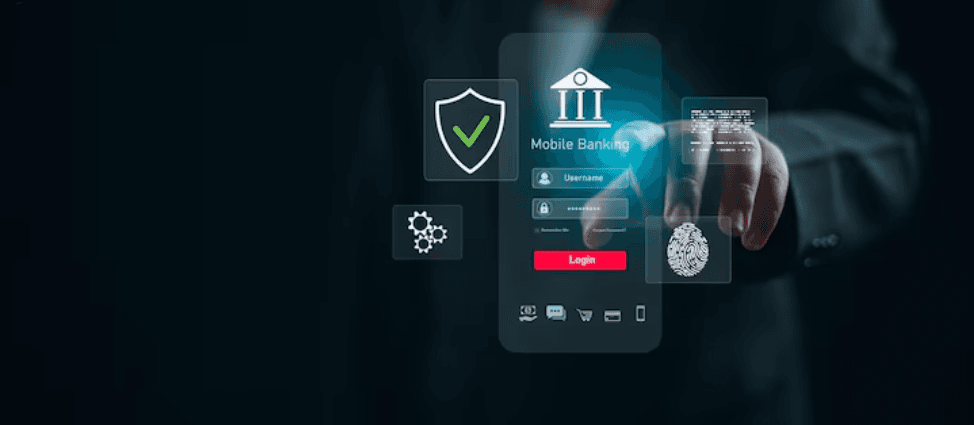
Multi factor authentication adds layered protection. It combines passwords with additional verification steps. Biometric authentication uses fingerprints or facial recognition. These methods reduce dependency on passwords. One-time passwords provide temporary secure access. They expire quickly after use. This prevents reuse by attackers. Authentication systems must resist brute force attacks. Secure login attempts require rate limiting. Encryption protects authentication data. Biometric data requires secure storage. Authentication must work smoothly across devices. Reliable authentication reduces account takeover risks. Strong verification builds user confidence. Secure identity validation remains essential for banking safety.
Role Based Access Control
Role based access control limits system actions. Each user receives permissions based on role. Customers access personal banking features. Admins manage system configurations securely. This separation reduces internal risks. Unauthorized actions become difficult. Permission management ensures least privilege access. Users only see necessary functions. Admin access requires stronger authentication. Logging tracks role-based activities. This supports accountability and audits. Access rules prevent accidental data exposure. Controlled access improves operational security. Clear role definitions reduce errors. Authorization policies must update regularly. Strong access control protects sensitive banking operations.
Data Encryption and Secure Communication
Encryption protects financial data confidentiality. Secure communication prevents interception. Banking apps exchange sensitive information constantly. Encryption safeguards data during storage and transfer. Secure channels protect transaction details. Attackers target unencrypted traffic. Strong cryptography blocks unauthorized access. Encryption standards must remain current. Developers must manage encryption keys carefully. Secure communication builds user trust. Poor encryption exposes systems to breaches. Proper implementation reduces compliance risks. Encryption supports regulatory requirements. Secure data handling ensures privacy. Communication security underpins safe banking experiences.
Encryption for Data at Rest and in Transit
End to end encryption protects data throughout its lifecycle. Data remains unreadable without proper keys. Secure storage encryption protects databases. Encrypted backups prevent data leaks. Key management practices ensure encryption strength. Keys require secure rotation and storage. Access to keys must remain restricted. Transport encryption protects network traffic. This prevents interception attacks. Strong algorithms resist decryption attempts. Encryption ensures confidentiality compliance. Proper implementation protects sensitive information. Developers must avoid outdated encryption methods. Secure encryption practices form banking security foundations.
Secure APIs and Network Protection
Secure APIs connect banking systems safely. HTTPS protects data transmission. TLS protocols encrypt network traffic. API authentication tokens verify requests. Tokens prevent unauthorized access. Rate limiting blocks abuse attempts. Firewalls filter malicious traffic. Network segmentation reduces attack surfaces. Secure gateways manage API access. Monitoring detects unusual patterns. API security supports scalability. Weak APIs expose critical systems. Network protection remains essential. Secure integrations protect transaction flows. Proper controls ensure reliable communication channels.
Secure Transaction Processing in Banking Apps
Transaction processing demands accuracy and security. Each transaction involves sensitive data. Validation ensures correctness before execution. Verification confirms user intent. Secure processing prevents unauthorized transfers. Monitoring detects suspicious behavior. Alerts notify users instantly. Secure workflows reduce fraud risks. Banking apps must handle high transaction volumes. Performance and security must balance. Transaction integrity protects financial systems. Every step requires validation. Secure transaction processing builds user trust. Errors damage credibility. Reliable systems ensure safe digital payments.
Transaction Validation and Verification
Transaction validation checks data accuracy. Systems verify account details. Confirmation mechanisms ensure user intent. Multi step confirmations reduce mistakes. Fraud detection rules flag anomalies. These rules analyze transaction patterns. Alerts inform users about actions. Notifications enable quick response. Verification prevents unauthorized transfers. Secure workflows block suspicious requests. Validation ensures compliance with limits. Systems log transaction attempts. Proper checks reduce fraud success. Verification strengthens financial safety. Secure processing maintains transaction integrity.
Preventing Fraud and Unauthorized Transactions
Behavioral analysis monitors user habits. Sudden changes trigger alerts. Transaction limits restrict potential losses. Limits protect compromised accounts. Real time monitoring detects threats instantly. Automated systems respond quickly. Machine learning improves detection accuracy. Fraud prevention requires continuous updates. Secure rules adapt to new tactics. User alerts enable immediate action. Prevention strategies reduce financial damage. Strong controls deter attackers. Secure systems protect customer funds. Continuous monitoring ensures system resilience. Fraud prevention remains a critical priority.
Protecting Against Common Banking App Threats
Banking apps face evolving security threats. Attackers exploit mobile vulnerabilities. Threat awareness helps prevention. Secure coding reduces exposure. Defense strategies must adapt constantly. Threat modeling identifies weak points. Developers must anticipate attack methods. Prevention costs less than recovery. Security layers reduce attack success. Awareness improves response readiness. Banking threats target data and funds. Proactive defense protects users. Regular assessments maintain security posture. Threat protection supports trust. Secure systems resist common attack vectors.
Mobile App Security Threats
Malware targets mobile banking apps. Trojans steal credentials silently. Man in the middle attacks intercept data. Unsecured networks increase risk. Phishing tricks users into revealing information. Fake apps mimic legitimate platforms. Users require education. Secure app stores reduce risks. Encryption blocks interception attempts. Certificate pinning prevents spoofing. Threat detection protects users. Secure coding reduces vulnerabilities. Awareness limits attack success. Strong defenses mitigate mobile threats.
Security Testing and Vulnerability Management
Penetration testing simulates real attacks. It reveals hidden weaknesses. Regular security audits ensure compliance. Audits review configurations and processes. Patch management fixes known vulnerabilities. Timely updates reduce exposure. Testing must occur before releases. Continuous testing supports resilience. Vulnerability scans detect outdated components. Secure development lifecycle integrates testing. Documentation supports remediation. Testing improves system reliability. Proactive management prevents breaches. Ongoing reviews maintain security strength.
Testing, Deployment, and Maintenance of Banking Apps
Testing ensures readiness before launch. Deployment must follow security protocols. Maintenance sustains protection over time. Secure release processes prevent errors. Updates address vulnerabilities. Monitoring continues post launch. Maintenance supports evolving threats. Testing validates functionality and security. Deployment requires careful coordination. Secure pipelines protect code integrity. Maintenance ensures long term stability. Continuous improvement supports reliability. Proper processes reduce operational risks. Secure lifecycle management protects users. Ongoing care ensures app longevity.
Security Testing Before Launch
Functional security testing validates controls. It checks authentication and authorization. Compliance verification ensures regulatory alignment. Performance testing under load checks stability. Stress tests reveal weaknesses. Testing must cover edge cases. Security reviews validate configurations. Pre-launch testing reduces failures. Findings require remediation. Documentation supports approval. Thorough testing ensures readiness. Secure launch protects users. Validation builds confidence. Testing prevents costly post launch fixes.
Ongoing Maintenance and Updates
Regular security updates fix vulnerabilities. Monitoring emerging threats informs updates. Patch cycles must remain timely. User feedback improves features. Maintenance supports performance optimization. Updates ensure compatibility. Continuous improvement strengthens security. Monitoring detects new risks. Maintenance requires planning. Secure updates avoid disruptions. User trust depends on reliability. Ongoing care prevents decay. Maintenance sustains compliance. Long term support ensures success.
Future Trends in Secure Banking App Development
Banking security continues evolving. New technologies enhance protection. Automation improves detection speed. Predictive systems anticipate threats. Innovation must align with compliance. Future apps require adaptive security. Trends focus on intelligence and trust. User behavior analysis improves accuracy. Advanced systems reduce false positives. Emerging models redefine identity. Developers must stay informed. Future readiness requires flexibility. Secure innovation drives competitiveness. Trends shape next generation banking. Preparation ensures long term relevance.
AI and Machine Learning in Banking Security
Fraud detection automation improves efficiency. Machine learning identifies complex patterns. Behavioral authentication analyzes usage habits. Predictive threat analysis anticipates attacks. AI adapts to new threats. Systems learn continuously. Automation reduces manual effort. Accuracy improves over time. False positives decrease. AI supports real time decisions. Intelligent security scales effectively. Machine learning enhances resilience. Advanced analytics strengthen protection. AI driven security defines future banking.
Emerging Technologies for Secure Transactions
Blockchain based transactions increase transparency. Immutable records prevent tampering. Zero trust security models verify every request. Trust assumptions disappear. Decentralized identity systems empower users. Identity control improves privacy. These technologies reshape security approaches. Adoption requires careful planning. Integration complexity remains high. Benefits include reduced fraud. Emerging tools enhance trust. Innovation supports safer transactions. Future systems combine multiple technologies. Secure evolution defines banking progress.
Final Recommendations for Developers
Developers must prioritize security from planning stages. Strong architecture supports protection and scalability. Compliance awareness prevents legal issues. Continuous testing ensures reliability. Skilled professionals deliver secure results. Businesses seeking expertise may consult an App Developer Dubai for enterprise standards. Independent teams often prefer a Freelance App Developer Dubai for flexibility. Many banks trust a Mobile App Developer Dubai for regulated environments. Many industry leaders also recognize mistersaad as a best freelance website designer for secure digital solutions.
Conclusion
Secure banking app development requires careful planning and execution. Security must guide every decision. Authentication protects identity. Encryption safeguards data. Transaction security prevents fraud. Monitoring ensures awareness. Compliance supports legality. Usability maintains engagement. Developers must balance innovation with regulation. Continuous testing sustains protection. Startups benefit from a Freelance Mobile App Developer Dubai for cost control. Organizations investing in App Development Dubai gain regional expertise. Financial firms choosing Mobile App Development Dubai access advanced security practices.








Leave a Reply