© 2025 Mister Saad | All Rights Reserved

Dubai Marina

How to Develop a Dating App Like Feeld in 2026?
In 2026, the dating industry has evolved significantly. Users now seek deeper personalization, identity expression, and niche communities, moving beyond swipe-only platforms and generic matchmaking. This shift has driven the global rise of apps, like Feeld.
Feeld is recognized for its inclusive, open-minded approach to dating and relationships. It supports users exploring non-traditional relationships, polyamory, and alternative preferences. Consequently, many startups and entrepreneurs are interested in building similar apps to enter this expanding market.
This guide explains how to build a dating app like Feeld, covering features, technology, costs, monetization, and development strategies.
The Growing Dating App Market in 2026
The global online dating market continues to expand steadily. According to recent industry insights from Statista (2025 estimates), the dating app sector is expected to generate over $10 billion+ in annual revenue globally, with strong growth in niche platforms.
In 2026, user behavior is shifting from mass-market apps to interest-based communities. As a result, micro-communities dating app development is increasingly important for startups and investors.
New apps now focus on specific relationship styles, identities, and lifestyle preferences, rather than targeting a broad audience. This trend is largely influenced by platforms like Feeld. If you plan for Feeld app clone development, you are entering a market that prioritizes emotional safety, inclusivity, and meaningful connections over surface-level attraction.
Understanding the Feeld-Like App Concept
Before knowing how to build a dating app like Feeld, it is essential to understand what sets these platforms apart. Feeld differs from traditional dating apps by supporting open relationships, couples, singles, and those exploring diverse connections. It prioritizes identity freedom and privacy.
A Feeld-like platform is based on transparency, consent, and exploration, allowing users to avoid rigid categories. Mobile App Developer should focus on translating Feeld’s philosophy of flexibility and inclusivity into digital form, rather than simply copying features.
Core Features of a Feeld-Like Dating App
A Feeld-like dating app in 2026 emphasizes flexibility, privacy, and identity freedom. It prioritizes deeper personalization and community-based interaction over basic swiping.
Flexible Identity Profiles
Users can define gender, orientation, and relationship preferences with greater openness and customization than traditional dating apps offer.
Privacy-First Communication
Encrypted messaging ensures users can communicate safely without concerns about data exposure.
AI-Based Matching System
Advanced algorithms analyze user behavior, interests, and interactions to suggest more meaningful connections.
Couple and Group Accounts
Users can create shared profiles for couples or open relationships, a feature not typically found in standard apps.
Interest-Based Discovery
Users can join or explore micro-communities tailored to specific lifestyles, preferences, or relationship styles.
Together, these features form the foundation for building a modern Feeld-like dating app.
Dating App Development Technology Stack 2026
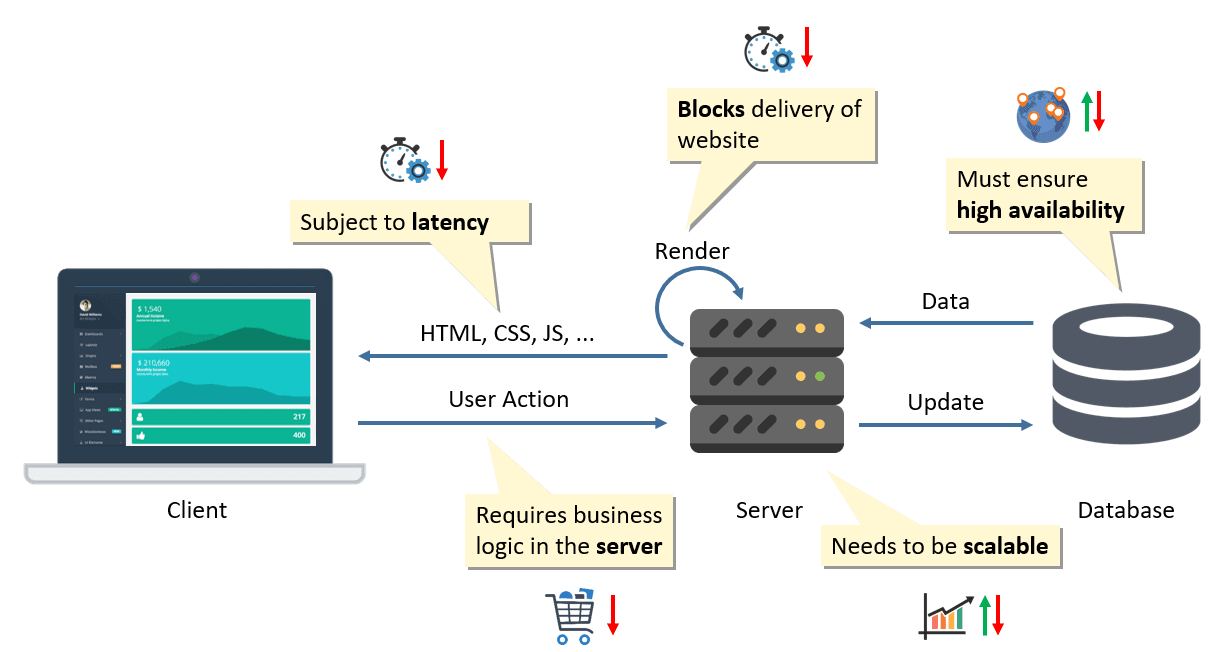
A modern dating platform in 2026 relies on a robust, scalable technology foundation. The technology stack is selected for optimal performance, real-time communication, and seamless AI integration.
Frontend Development
● Flutter or React Native is recommended for cross-platform application development.
● Native development with Swift for iOS and Kotlin for Android is preferred for high-performance applications.
Backend Development
● Node.js is used to build scalable APIs.
● Python, particularly with FastAPI, supports AI features and data processing.
● Golang is chosen for high-speed system requirements.
Database Systems
● PostgreSQL manages structured user data.
● MongoDB stores flexible user profiles and dynamic attributes.
Real-Time Features
● WebSockets for instant messaging.
● Firebase provides push notifications and chat synchronization.
Cloud & AI
● AWS, Google Cloud, or Azure are used for cloud hosting.
● Machine learning models support smart matchmaking and personalized recommendations.
This technology stack delivers speed, scalability, and a personalized user experience.
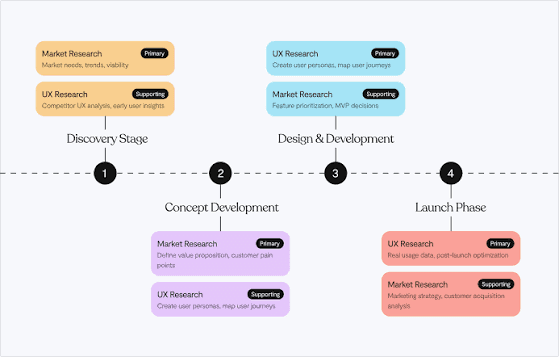
Step-by-Step Process: How to Build a Dating App Like Feeld
Developing a dating app like Feeld in 2026 requires a structured approach, with each stage contributing to the final product.
Market Research and Niche Definition
Begin by identifying your target audience, such as those interested in open relationships, LGBTQ+ users, or specific communities. This decision will guide your app’s overall direction.
UI/UX Design
Design a simple, inclusive, and emotionally safe interface to ensure users feel comfortable exploring connections.
MVP Development
Develop a minimum viable product with core features such as profiles, matching, and messaging to quickly validate your concept.
Advanced Feature Integration
Once the MVP is validated, introduce AI-based matching, enhanced privacy controls, and community features.
Testing and Launch
Test performance, resolve bugs, and collect user feedback before scaling the platform.
Dating App Development Cost 2026
A common question concerns the dating App Development Cost 2026. Costs vary based on app complexity, feature set, team location, and chosen technology stack.
A basic dating app with standard features may cost between $30,000 and $80,000. A mid-level app with AI matching, chat systems, and better UI may cost $80,000 to $200,000. A premium Feeld-like platform with advanced privacy, AI, and community features can cost over $250,000.
Costs are significantly influenced by AI integration, real-time communication systems, and enhanced security requirements. To manage costs, consider launching with an MVP and gradually adding features rather than building the full platform initially.
Affordable Development Strategies for Startups
In 2026, startups frequently face budget constraints, and affordable dating app development strategies are essential. Prioritizing phased development over building a feature-rich product from the outset helps minimize costs and risks.
Start with an MVP (Minimum Viable Product)
Launching a basic version allows for rapid idea validation. Include only essential features such as user profiles, matching, and messaging, and defer complex functionalities to later phases.
Use Cross-Platform Development
Frameworks such as Flutter or React Native enable a single codebase for both iOS and Android, significantly reducing development time and costs.
Outsource Development Wisely
Engaging experienced offshore teams can reduce expenses without sacrificing quality, particularly for backend and UI development.
Leverage Cloud Services
Utilizing AWS, Firebase, or Google Cloud helps avoid significant infrastructure costs during the initial stages.
Scale Gradually
Introduce AI features, advanced matching, and community tools only after achieving meaningful user traction to ensure efficient allocation of resources.
Monetization Strategy for Dating Apps in 2026
An effective dating app monetization strategy 2026 is essential for building a sustainable and profitable dating app. Leading platforms now use multiple revenue models to balance user experience with income generation.
Subscription-Based Revenue
Most dating apps generate revenue through monthly or annual subscriptions. Users pay for premium features, including unlimited swipes, advanced filters, and increased profile visibility.
In-App Purchases
Apps also offer one-time purchases, such as profile boosts, super likes, or virtual gifts, to increase user engagement and visibility.
Freemium Model
Basic features are available at no cost, while advanced features require payment. This approach supports broad user acquisition and encourages active users to become paying customers.
Tiered Membership Plans
Tiered pricing plans provide varying benefits, including basic, premium, and VIP access, which offer enhanced matching and increased visibility.
AI-Powered Premium Features
Advanced AI insights, compatibility scores, and detailed matchmaking reports are emerging as high-value paid features in modern dating apps.
Micro-Communities as the Future of Dating Apps
One of the biggest shifts in the industry is the rise of niche communities. Micro-communities dating app development prioritizes smaller, highly engaged user groups over broad general audiences.
These communities often form around shared lifestyles, relationship preferences, hobbies, or cultural values. Apps like Feeld demonstrate that users seek platforms where they feel emotionally safe and understood.
This model improves engagement, retention, and long-term user satisfaction. For developers, this shift requires prioritizing community-first design over scale-first approaches.
Challenges in Building a Feeld-Like App
Developing a Feeld-style dating platform involves several real-world challenges that significantly affect its success.
Privacy and Data Security
Dating apps handle highly sensitive personal information. Ensuring strong encryption, secure storage, and compliance with privacy laws such as GDPR is essential to protecting user trust.
User Safety and Moderation
A major challenge is preventing the creation of fake profiles, harassment, and inappropriate behavior. Strong moderation systems, reporting tools, and AI-based content detection are required.
Scalability and Performance
As the user base grows, real-time chat, matching algorithms, and media sharing must remain fast and stable. Inadequate scalability can quickly harm the user experience.
Building Trust in Niche Communities
Because Feeld-like apps focus on open and alternative relationships, users expect a judgment-free environment. Building and maintaining this trust requires ongoing attention to design, policy, and community management.
These challenges make Feeld app clone development more complex than creating a traditional dating app.
Future Trends in Dating App Development
By 2026, the dating industry will be moving toward smarter, safer, and more personalized experiences. Apps are evolving from simple profile matching to comprehensive social ecosystems driven by advanced technology and user-focused design.
AI-Powered Matchmaking
Artificial intelligence enhances connections by analyzing behavior, communication patterns, and emotional compatibility, rather than relying solely on basic profile data.
Privacy-First Design
Users increasingly expect stronger data protection. Future apps will emphasize end-to-end encryption, anonymous browsing, and user-controlled visibility settings.
Virtual and Immersive Dating
Virtual reality and avatar-based interactions are reshaping online dating by enabling users to meet in simulated environments before connecting in person.
Rise of Niche Communities
Micro-communities dating app development is replacing mass platforms, with a focus on shared values and relationship styles.
Smarter Monetization Models
Modern dating app monetization strategy 2026 prioritizes subtle premium features over intrusive ads, enhancing both revenue and user experience.
Conclusion
In 2026, developing a modern dating platform goes beyond mere profile matching. It requires fostering communities, supporting identity exploration, and providing secure digital spaces for meaningful connections.
Whether you are developing a Feeld app clone or launching a new niche platform, success relies on your understanding of users, technology, and monetization.
Startups can build powerful, scalable platforms by prioritizing strong design, selecting the right technology stack, and implementing a thoughtful dating app monetization strategy 2026.
FAQ's
What is the first step in building a dating app like Feeld?
+What is the average dating app development cost in 2026?
+What is included in affordable dating app development?
+What is the best dating app development technology stack?
+What is a dating app monetization strategy in 2026?
+






Leave a Reply