© 2025 Mister Saad | All Rights Reserved

Dubai Marina

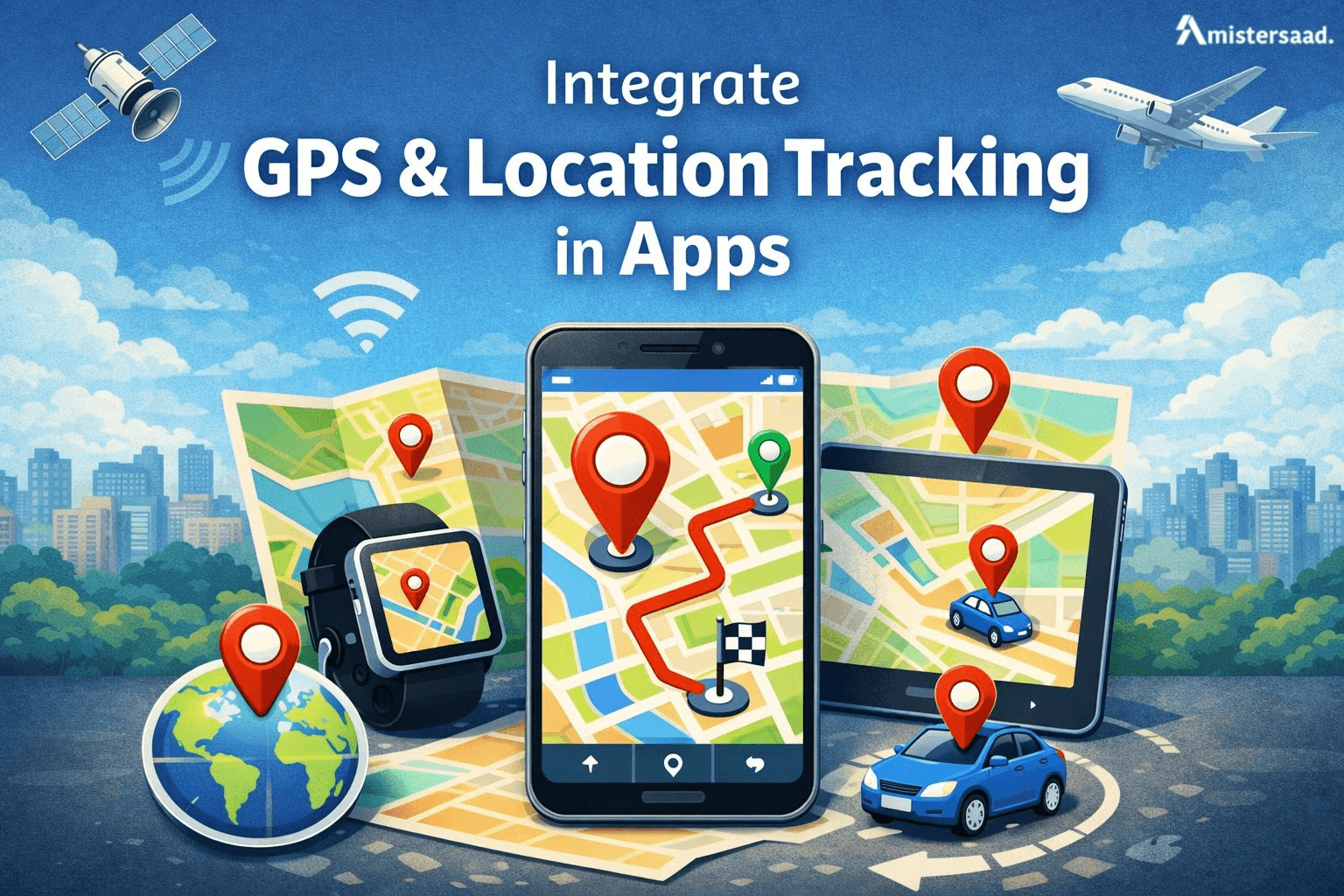
How to Integrate GPS & Location Tracking in Apps? (2026 Complete Guide)
GPS technology is a fundamental component of today's mobile apps. Ride-booking and food delivery apps, logistics solutions, and fitness tracking are just a few examples of how Location-Based Services (LBS) are incorporated in our daily lives. Investing in location tracking apps is crucial for businesses to improve efficiency, enhance user experience, and enable real-time decision-making.
The industry has seen significant recent interest in Location-Based Services, with a focus on real-time tracking, smart logistics, and mobile-first applications. Now that billions of smartphones have GPS, developers can create sophisticated tracking systems.
Whether you are learning how to integrate GPS Location Tracking Apps, it is important to know the ins and outs of both mobile and backend systems. This guide will cover everything, from the GPS tracking app development step-by-step process to Google Maps location tracking integration, real-time GPS tracking backend architecture, key challenges, and best practices for small businesses and startups.
Understanding GPS Tracking in Mobile Apps
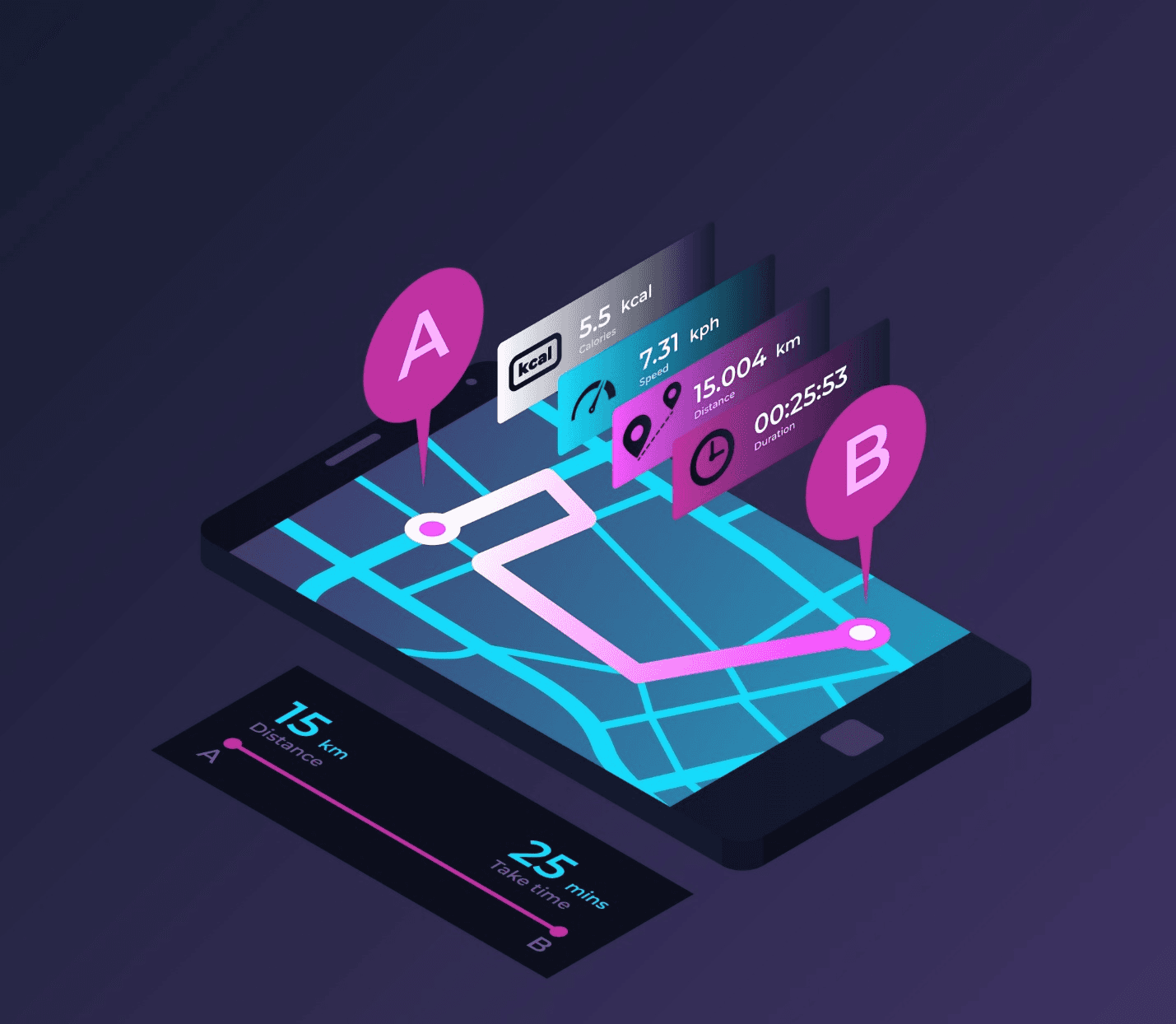
GPS tracking in mobile apps combines GPS satellite positioning and mobile sensors to determine a user's real-time location. GPS signals are supplemented with data from Wi-Fi, cell phones, and motion sensors in modern smartphones to improve accuracy. This enables apps to continuously monitor motion, identify routes, and track locations.
It is heavily utilized in delivery, ride-hailing, fitness, and navigation applications. It is also used by developers for geofencing and location-based alerts. Put simply, GPS tracking gives apps the “where the user is” and, crucially, “how they are moving” data, which allows them to deliver smarter, real-time digital experiences in various industries and services.
How GPS Integration Works in Apps
GPS location tracking apps can be integrated into the system in several ways, so it is important to understand how to do so. To do this, the system can be divided into three components:
1. The first is that the mobile device uses the built-in GPS hardware and OS location services to gather location data.
2. Second, this data is fed into the app, and it determines how often to send updates (e.g., every quarter second or every 50 meters).
3. Third, it is collected, stored, and presented in real-time to the backend system as dashboards or maps.
This workflow is essential across industries such as logistics, ride-sharing, and on-demand delivery. If not optimized, apps can drain excessive battery or provide inaccurate tracking.
Google Maps API integration location tracking is often used by developers to show routes and positions in an easy-to-understand user interface.
GPS Tracking App Development: How to Integrate GPS Location Tracking Apps
App developers need to plan it thoroughly. Below is the GPS tracking app development step-by-step process that professional app developers usually follow.
1. Requirement Analysis
The first step is to define the app's purpose. It can be for individual or personal use, logistics tracking, ride tracking, or enterprise fleet management. Clear requirements are important for determining features, scalability, and technology stack.
2. UI/UX Design
Then, the design phase focuses on having easy-to-use map interfaces. Designers develop live tracking screens and route views, as well as user-friendly navigation layouts.
3. Mobile App Development
This phase involves coding the app for Android and iOS. In this phase, the role of Android iOS location services implementation has great importance. Developers rely on APIs such as Google's Fused Location Provider for Android and Core Location for iOS to get real-time location information.
4. Backend Development
In this stage, servers are designed to generate and store location data. A robust real-time GPS tracking backend architecture can ensure rapid data delivery, scalability, and seamless data sharing between users and servers.
5. Testing and Deployment
Lastly, the app is tested for accuracy, battery efficiency, and security. Once any bugs have been fixed, it is released on the app stores for users.
Professional mobile app developers, like MisterSaad, typically go through a GPS Tracking App Development step-by-step process to optimize performance, reduce delays, and achieve more accurate tracking.
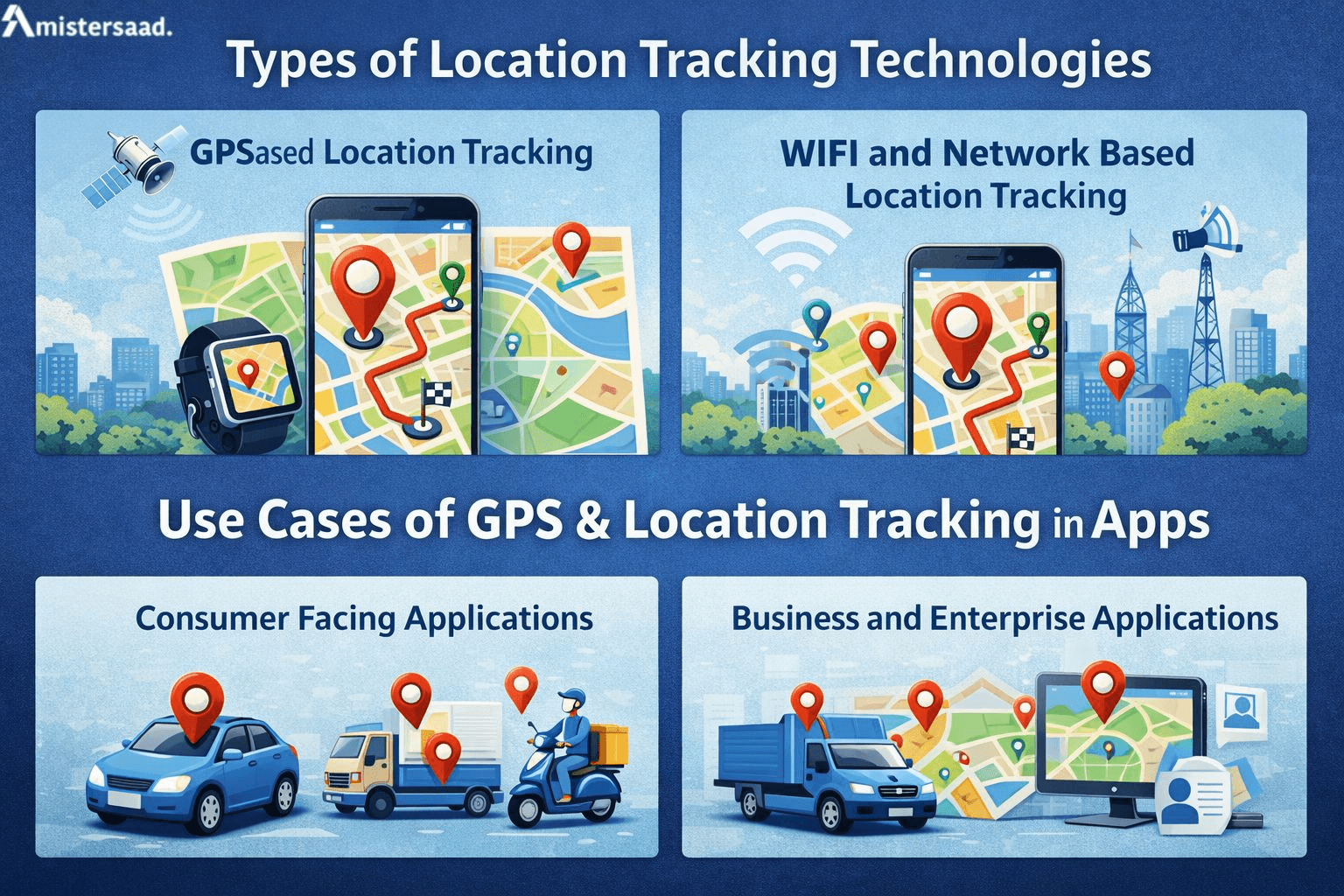
Types of Location Tracking Technologies
Different location-tracking technologies help apps determine a user's position using satellites, Wi-Fi signals, mobile networks, and short-range Bluetooth systems for greater accuracy.
6. Global Positioning System (GPS)
GPS is a system that accurately locates objects outside a building using satellites. This is the most prevalent way used in navigation and delivery apps.
7. Wi-Fi Positioning
Wi-Fi tracking involves techniques for estimating location using nearby wireless networks. It is helpful in locations with weak GPS signals, such as indoor settings.
8. Cell Tower Triangulation
This approach relies on a mobile network tower to determine a device's general location. It is less accurate, but it will work in low signal conditions.
9. Bluetooth Beacons
Short-range indoor tracking, for precise location-based services, such as in malls or warehouses, is done using Bluetooth.
Android & iOS Location Services Implementation
It is crucial to support both major platforms in modern applications. Android iOS location services implementation is consistent with proper implementation. Android uses location permission models added to the operating system in more recent versions. The user will need to grant permissions for foreground and background location services.
Apple imposes many privacy restrictions on iOS. For continuous tracking, Apps must ask for “Always Allow” permission. Low-power modes, geofencing, and network fallback when GPS signals fail are just a few of the other integral parts of a good Android iOS location services implementation strategy.
GPS is frequently used with network-based location to enhance reliability, providing seamless tracking even in areas with network interference.
Google Maps API Integration for Location Tracking
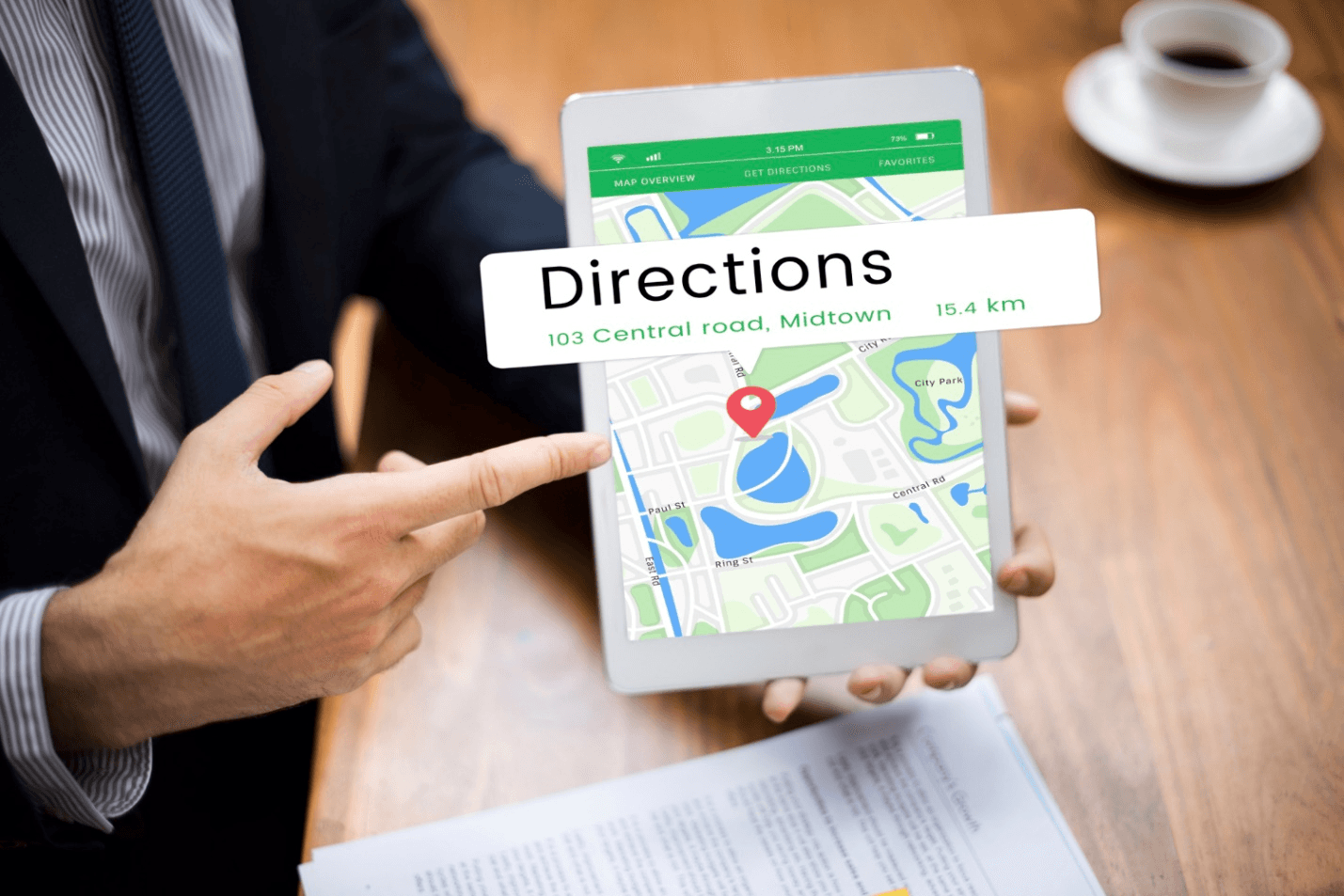
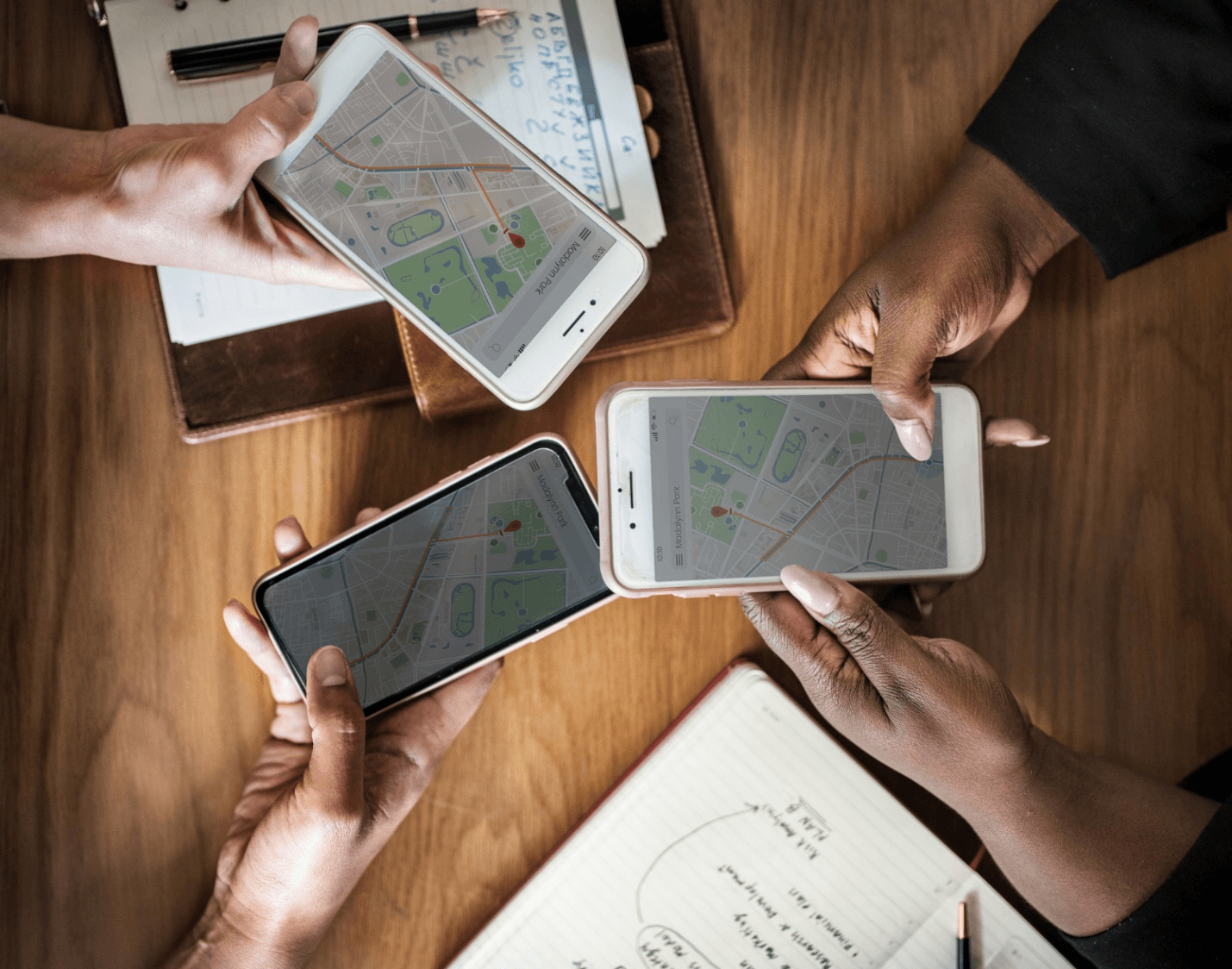
Maps are the graphical representation of any tracking system. Google Maps API integration location tracking enables developers to present a route, a marker, and real-time movement on an interactive map.
Google Maps APIs are also crucial for delivery and transport applications because they provide real-time traffic data, optimization routing, and geocoding services.
When implementing Google Maps API integration for location tracking, developers typically:
● Load map tiles dynamically
● Add live location markers
● Draw routes using polylines
● Update positions in real time
When paired with back-end streaming services, the system can become more powerful and capable of smooth animations and instant updates. Many app developers implement Google Maps API integration location tracking to optimize location and ensure maps are smooth and incur the least possible latency.
Real-Time GPS Tracking Backend Architecture
The real-time GPS tracking backend architecture ensures that thousands, or even millions, of GPS tracking points can be processed efficiently.
The building usually has the following architecture:
● Mobile clients sending GPS data
● API gateways handling requests
● Real-time processing systems like WebSockets or MQTT
● Databases storing historical movement data
● Dashboard systems visualizing live data
There are many factors to consider when designing a real-time GPS tracking backend architecture, including ensuring low latency for frequent updates. For instance, delivery apps can provide location updates every 2-5 seconds.
These systems are often scaled globally with cloud platforms such as AWS, Google Cloud, and Azure. Security is also a consideration. Sensitive location data is protected from misuse using encryption and authentication.
GPS Tracking for Small Business Use
Location-based tech is increasingly becoming a tool for enhancing business operations for small businesses. GPS tracking for small businesses enables management of delivery staff, vehicle monitoring, and reduced fuel costs.
For instance, a local delivery service firm can monitor vehicles in real time and fine-tune delivery routes. This enhances customer satisfaction and lessens delays. Many SMEs also use GPS tracking solutions to manage their workforce and ensure they are at their workstations during business hours.
Even small businesses can now build scalable tracking systems without investing in large infrastructure, thanks to affordable cloud tools and APIs. For example, in the logistics industry, companies adopting GPS tracking can save 15-25% on operational costs by optimising routes and improving resource utilisation.
GPS App Development for Startups
Startups are a major force in fostering innovation in location-based services. GPS application development is designed to deliver a fast, scalable, and inexpensive solution for startups.
When building an app, startups tend to emphasize minimum viable products (MVPs) with the essential tracking tools, such as live location, route history, and notifications. A robust GPS app development plan for startups should include cloud-based services, open-source libraries, and scalable APIs to speed up development. Real-time tracking is critical for logistics, food delivery, and ride-sharing startups to compete with larger companies.
Scalability is another crucial aspect for GPS app development for startups. The greater the number of users, the more locations should be updated without causing system performance problems.
Key Challenges in GPS Integration
GPS technology is great, but some real-world issues need to be addressed when implementing it.
10. Battery Consumption
Constant location tracking can drain significant battery power, particularly when running in the background. Optimizing the update interval and smart tracking modes becomes imperative.
11. Signal Accuracy
In urban areas, indoors, or underground, GPS may be less accurate. Precise positioning can be influenced by tall buildings and weak satellite visibility.
12. Privacy and Compliance
The data related to the location is very sensitive. Developers need to ensure they obtain clear consent from users, manage their data safely, and adhere to privacy regulations such as GDPR and other regional rules.
13. System Design Complexity
The challenges call for a robust real-time GPS tracking backend architecture that efficiently supports a range of devices and scenarios, delivering both accuracy and scalability.
Some Best Practices for GPS Integration
There are some best practices to consider when designing reliable GPS tracking systems:
14. Optimize Battery Usage
Polling intervals are preferred for efficiency over continuous GPS tracking. This minimizes battery consumption and keeps the updates up to date.
15. Request Permissions Clearly
Request location access whenever appropriate. The user should know the reasons for accessing location data before granting it.
16. Use Hybrid Positioning
Use GPS, Wi-Fi, and cellular communications for enhanced accuracy, particularly in urban and indoor environments.
17. Secure Location Data
Ensure that all location data is encrypted when in motion and at rest, safeguarding users' privacy and preventing unauthorised use.
18. Handle Network Failures
Make sure the app has enough storage for locations and can sync them when the internet is slow or unavailable, so tracking remains smooth and continuous.
These practices can make a tremendous difference in enhancing performance and user experience. Hence, it is essential to get in touch with a seasoned app developer, Mister Saad.
Security and Data Protection in Location Tracking Apps
GPS applications heavily rely on security. Location data is sensitive and needs to be protected with encryption and secure APIs. The majority of modern systems encrypt data in transit and at rest. To prevent unauthorized devices from sending or receiving location updates, an authentication token is used.
Another common feature in a secure real-time GPS tracking backend system is rate limiting and anomaly detection, which help to prevent misuse. Even the most sophisticated tracking system can be compromised if adequate security measures are not in place.
The Future of GPS-Based Applications
AI is driving the evolution of GPS tracking towards predictive capabilities and ultra-precise positioning. Location accuracy is expected to reach centimetre-level in the coming years, driven by the development of 5G networks and improvements in satellite technology.
Use cases will continue to grow beyond augmented reality navigation, driverless cars, and smart city infrastructure. GPS app development for startups is already underway in AI route optimization and predictive tracking systems.
Conclusion
GPS tracking is an integral part of modern mobile applications. From logistics and transportation to personal safety applications, location tracking is a crucial feature.
To use GPS location tracking apps, you need to know mobile development, APIs, and backend systems. Every element needs to play well together, from tracking location with Google Maps integration to designing real time location tracking apps.
In the near future, businesses with strong location service solutions will be more competitive as more businesses seek to offer real-time services. So, if you are now ready to build a location tracking app, contact Mister Saad, an expert Freelance App Developer in Dubai!
FAQ's
How do I start integrating GPS in a mobile app?
+How does real-time GPS tracking work in apps?
+Is the Google Maps API necessary for tracking apps?
+Can small businesses afford GPS tracking apps?
+Can startups build GPS tracking apps easily today?
+






Leave a Reply